
Immune & Longevity
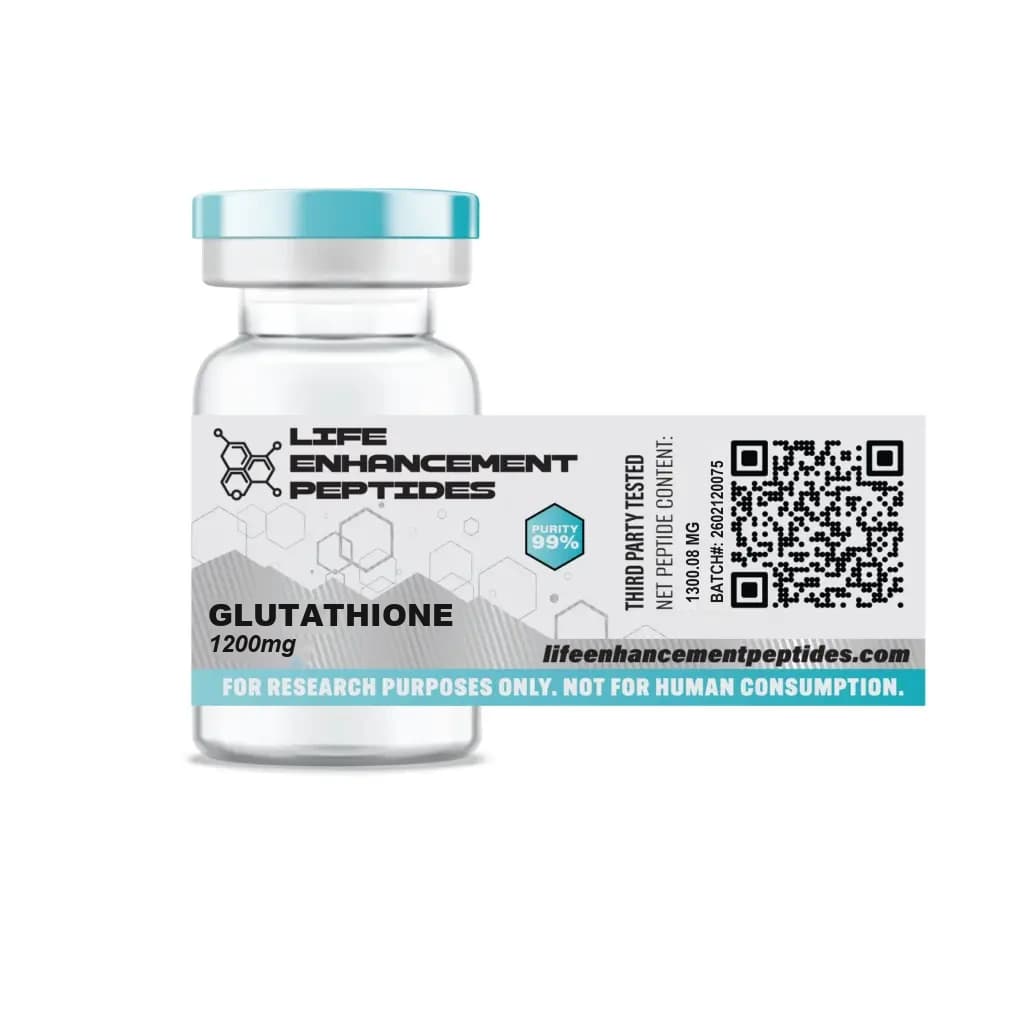
Glutathione — 1200mg
$82
The master endogenous antioxidant — a tripeptide (γ-Glu-Cys-Gly) synthesized in every human cell, central to redox homeostasis, phase II detoxification, and cellular protection against oxidative damage.
 Immune & Longevity
Overview
Glutathione (γ-L-glutamyl-L-cysteinyl-glycine) is a tripeptide synthesized intracellularly from glutamate, cysteine, and glycine by the sequential action of γ-glutamylcysteine synthetase and glutathione synthetase. It is present at millimolar concentrations in every human cell, making it the most abundant intracellular antioxidant and the principal regulator of cellular redox state. Its unique γ-glutamyl linkage — rather than the standard α-peptide bond between Glu and Cys — confers resistance to most peptidases and extends its intracellular half-life substantially.
The molecule cycles between its reduced (GSH) and oxidized (GSSG) forms, donating electrons to neutralize reactive oxygen species (ROS) either directly or through glutathione peroxidase-catalyzed reactions. Glutathione is also the obligate substrate for glutathione S-transferases (GSTs), the enzyme family responsible for phase II hepatic detoxification — conjugating GSH to electrophilic xenobiotics, heavy metals, and endogenous toxins to render them water-soluble and excretable. The GSH:GSSG ratio is a widely used biomarker of cellular oxidative stress, with depletion implicated in neurodegeneration, hepatic injury, and immune dysfunction.
Research applications include studies of hepatic detoxification pathways, oxidative stress-related disease models, mitochondrial dysfunction, immune cell redox signaling, and skin depigmentation research (via inhibition of tyrosinase-mediated melanogenesis). Intravenous and subcutaneous glutathione research protocols have examined its effects on Parkinson's disease, hepatic disease, chemotherapy tolerance, and dermatological endpoints. Because oral glutathione is extensively degraded by intestinal peptidases, parenteral administration is the standard route for research involving direct intracellular replenishment.
Mechanism of Action
Donates electrons via its reduced thiol (GSH) to neutralize reactive oxygen species directly or through glutathione peroxidase; obligate substrate for glutathione S-transferases in phase II detoxification; regulates cellular redox state through the GSH:GSSG couple.
Research Applications
Areas of peer-reviewed scientific inquiry where this compound has appeared.
- Hepatic detoxification and phase II conjugation pathways
- Oxidative stress and cellular redox research
- Neurodegeneration models (Parkinson's, Alzheimer's)
- Skin depigmentation and tyrosinase inhibition research
- Mitochondrial dysfunction and bioenergetic studies
Key Findings from the Literature
- 01Most abundant intracellular antioxidant across human tissues
- 02Obligate substrate for GSTs in phase II hepatic detoxification
- 03GSH:GSSG ratio is an established biomarker of cellular oxidative stress
- 04γ-glutamyl linkage confers resistance to peptidase degradation
- 05Depletion implicated in neurodegeneration, hepatic injury, and immune dysfunction
Certificates of Analysis1
Independent third-party lab reports for this peptide. Each CoA can be verified against its accession number at the testing lab.
1 independent test by Freedom Diagnostics Testing
| Test | Result |
|---|---|
| Purity (HPLC) | 99.015% |
| Identity (MS) | Pass |
| Endotoxins (LAL) | Pass |
Lab: Freedom Diagnostics Testing
Accession: 2602120075 / 2602120076
Reports are verifiable against the issuing lab using the accession or batch identifier above.
Related Peptides
Other compounds in the immune & longevity category.
 immune longevity
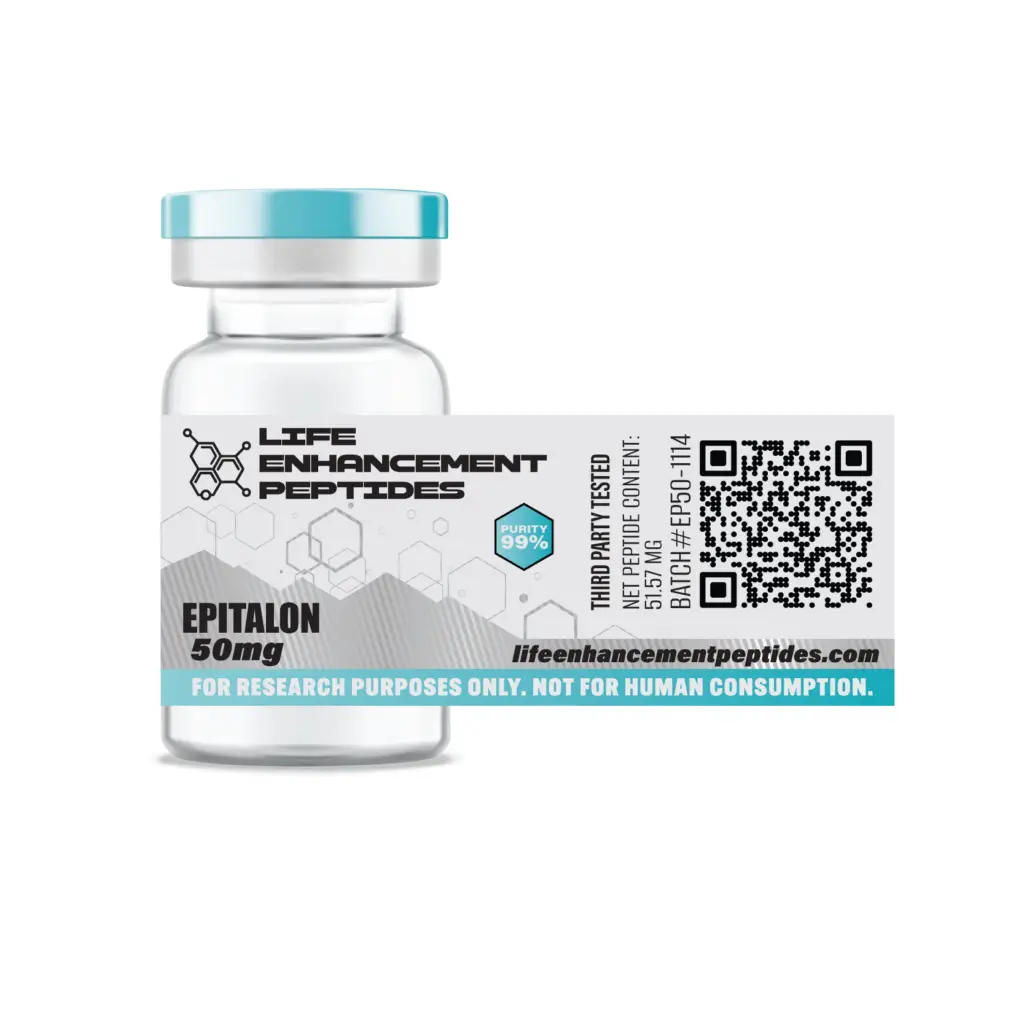
Epitalon
50mg
A synthetic tetrapeptide from the pineal gland that activates telomerase in human somatic cells, demonstrating measurable telomere lengthening in elderly human subjects — one of the few compounds with direct clinical evidence of telomere biology modulation.
 immune longevity
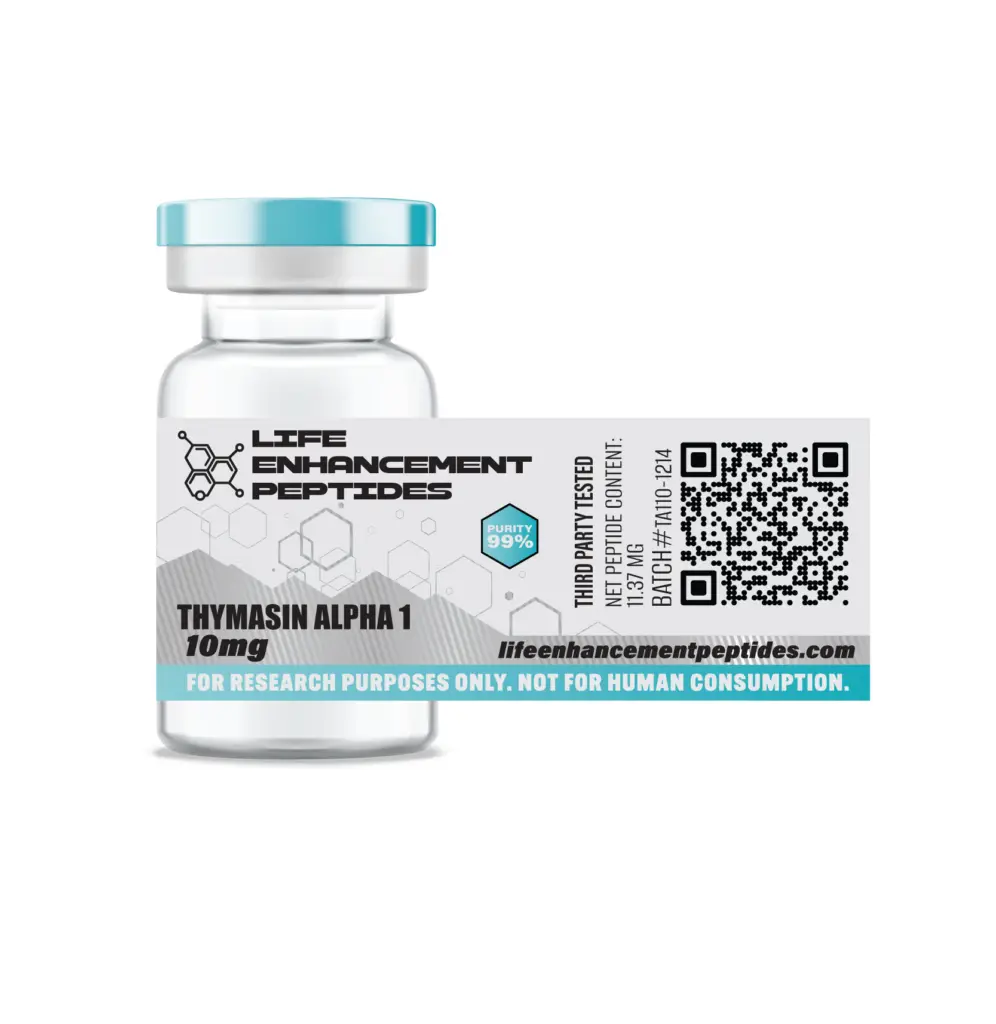
Thymosin Alpha-1
10mg
A 28-amino acid thymus-derived peptide approved in over 35 countries as Zadaxin, with substantial clinical evidence for viral infection treatment, cancer immunotherapy synergy, and vaccine response enhancement.
 immune longevity
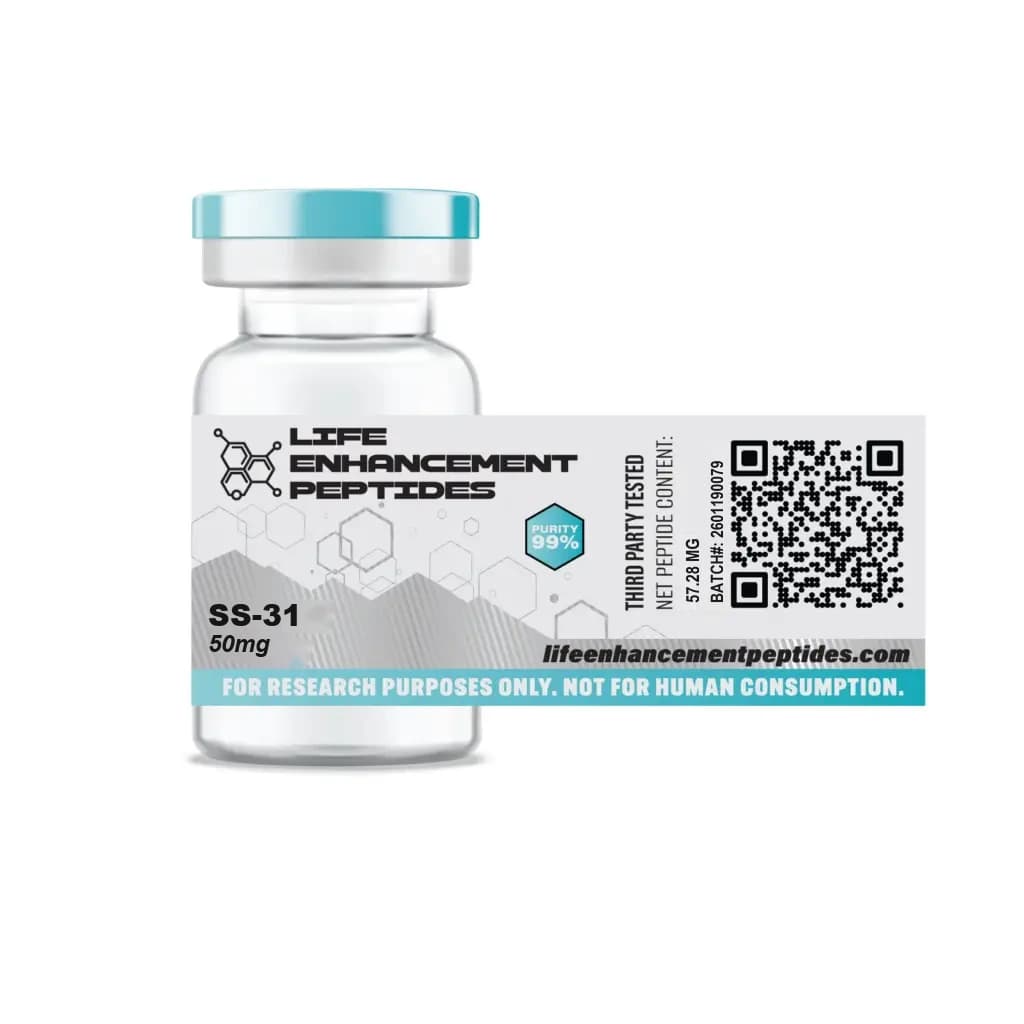
SS-31
50mg
A mitochondria-targeted tetrapeptide that binds cardiolipin on the inner mitochondrial membrane, preserving electron transport chain function and reducing reactive oxygen species — approved in 2024 as elamipretide (Forzinity) for Barth syndrome.