
Immune & Longevity
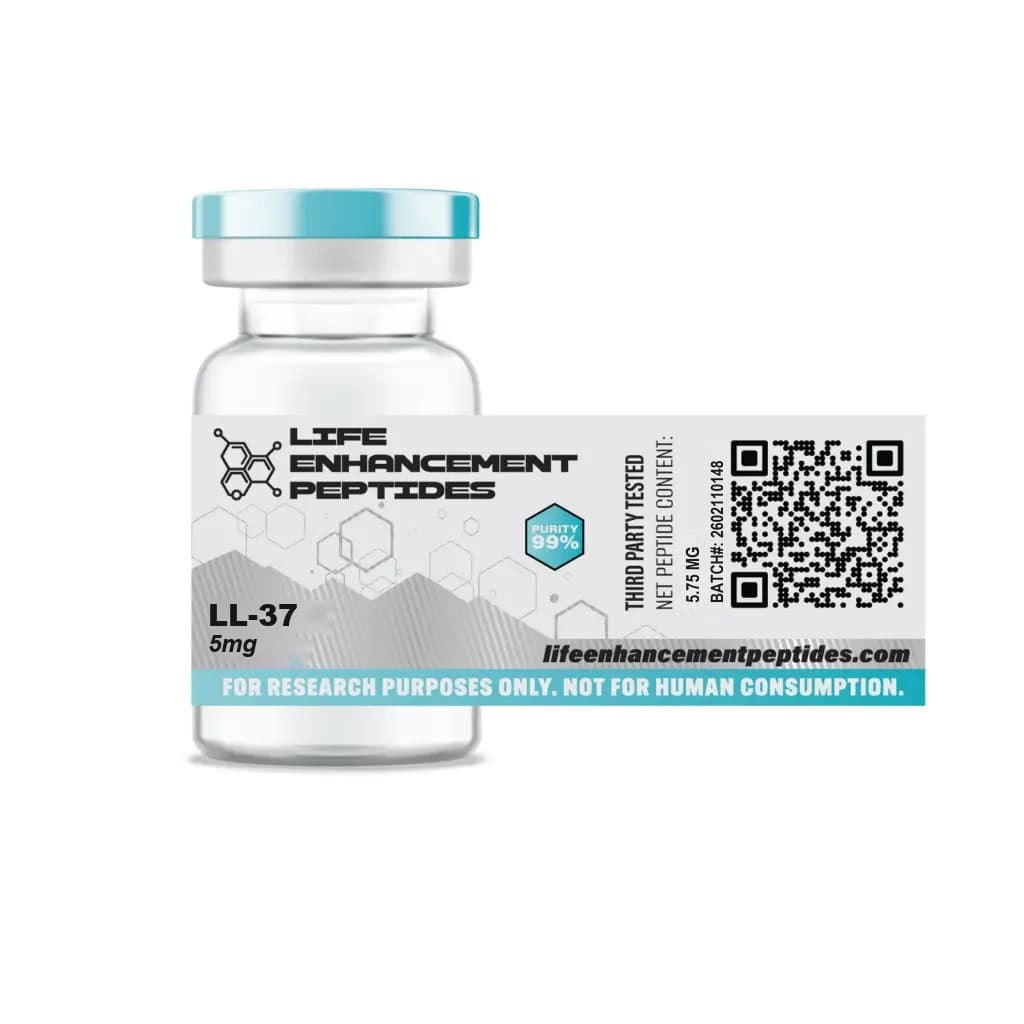
LL-37 — 5mg
$66
The only human cathelicidin antimicrobial peptide — a 37-amino acid host defense molecule with broad-spectrum antimicrobial activity and substantial immunomodulatory effects relevant to wound healing, chronic infection, and inflammatory skin disease research.
 Immune & Longevity
Overview
LL-37 is the sole cathelicidin antimicrobial peptide expressed in humans, cleaved proteolytically from its precursor hCAP-18 by neutrophil protease-3 at sites of infection or injury. The peptide's 37-amino acid amphipathic α-helical structure allows it to insert into and disrupt bacterial membranes through a carpet-like mechanism, producing rapid, broad-spectrum antimicrobial activity against Gram-positive bacteria, Gram-negative bacteria, fungi, and enveloped viruses. Unlike classical antibiotics, LL-37 kills through physical membrane disruption rather than targeted biochemical inhibition — making resistance development mechanistically difficult.
Antimicrobial activity, however, is only part of the peptide's biological role. LL-37 is a potent immunomodulator: it neutralizes circulating LPS to dampen septic shock responses, recruits neutrophils and monocytes to infection sites through FPRL1 signaling, promotes angiogenesis during wound healing, and modulates dendritic cell maturation to shape adaptive immune responses. This dual role — direct pathogen killing plus immune orchestration — positions it as a central node in host defense and a research focus for both infectious disease and wound healing applications.
Clinical and preclinical research has examined LL-37 in chronic non-healing wounds (diabetic ulcers, venous stasis ulcers), atopic dermatitis (where LL-37 expression is reduced), and antimicrobial resistance applications. Paradoxically, elevated LL-37 expression is implicated in psoriasis pathogenesis, where the peptide complexes with self-DNA to trigger plasmacytoid dendritic cell activation — an example of how host defense molecules can contribute to autoimmunity when dysregulated. The peptide's dual antimicrobial-immunomodulatory activity makes it a frequent target for synthetic analog development aimed at retaining antimicrobial function while tuning immune effects.
Mechanism of Action
Amphipathic α-helical structure disrupts bacterial membranes via carpet-model insertion; neutralizes LPS to prevent TLR4 activation; activates FPRL1 receptors to recruit neutrophils and monocytes; modulates dendritic cell maturation.
Research Applications
Areas of peer-reviewed scientific inquiry where this compound has appeared.
- Chronic non-healing wounds and diabetic ulcers
- Antimicrobial-resistant bacterial infection research
- Atopic dermatitis and inflammatory skin disease
- Wound healing and re-epithelialization
- Innate immunity and host defense
- Sepsis and LPS neutralization research
Key Findings from the Literature
- 01Only human cathelicidin antimicrobial peptide — sole member of this defense class
- 02Broad-spectrum activity via membrane disruption — resistance-resistant mechanism
- 03Dual antimicrobial and immunomodulatory activity
- 04Reduced expression documented in atopic dermatitis lesions
- 05Elevated expression implicated in psoriasis autoimmune pathogenesis
Certificates of Analysis1
Independent third-party lab reports for this peptide. Each CoA can be verified against its accession number at the testing lab.
1 independent test by Freedom Diagnostics Testing
| Test | Result |
|---|---|
| Purity (HPLC) | 99.761% |
| Identity (MS) | Pass |
| Endotoxins (LAL) | Pass |
Lab: Freedom Diagnostics Testing
Accession: 2602110148 / 2602110149
Reports are verifiable against the issuing lab using the accession or batch identifier above.
Related Peptides
Other compounds in the immune & longevity category.
 immune longevity
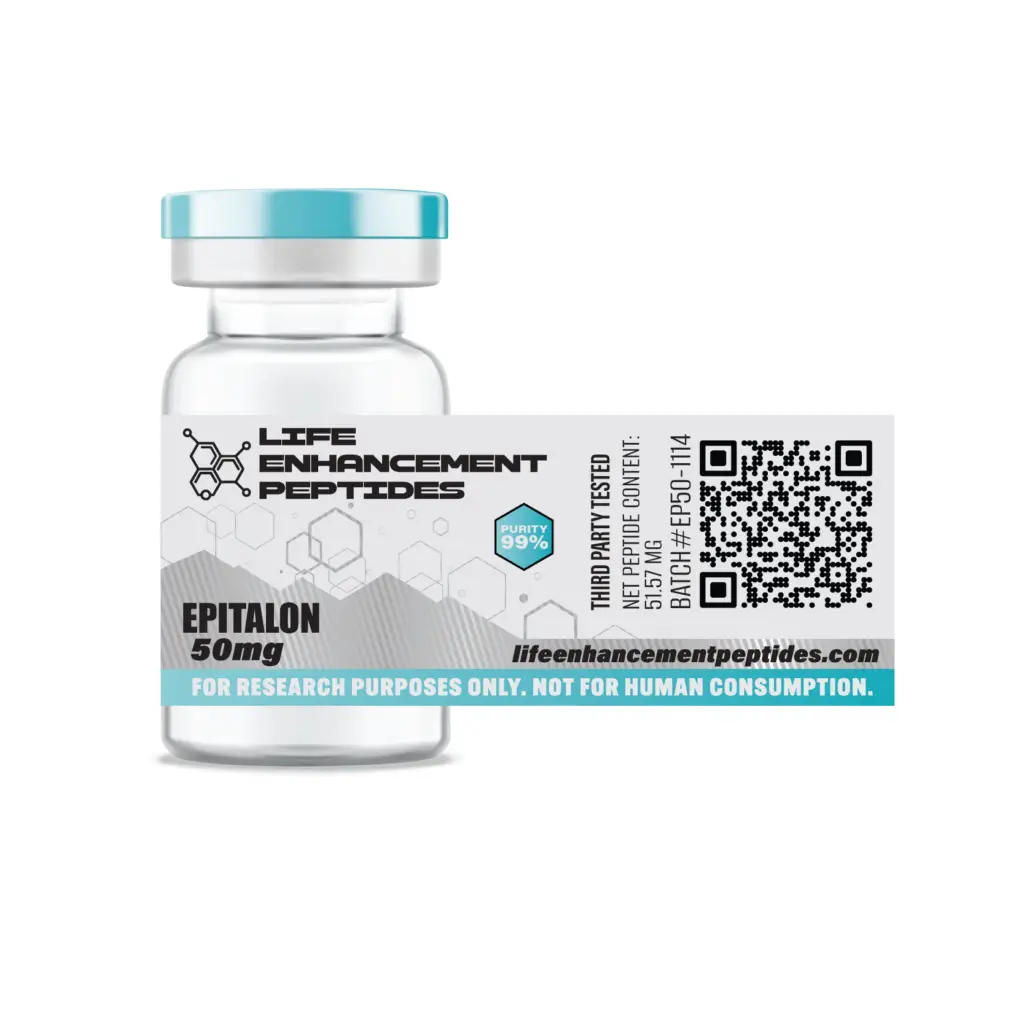
Epitalon
50mg
A synthetic tetrapeptide from the pineal gland that activates telomerase in human somatic cells, demonstrating measurable telomere lengthening in elderly human subjects — one of the few compounds with direct clinical evidence of telomere biology modulation.
 immune longevity
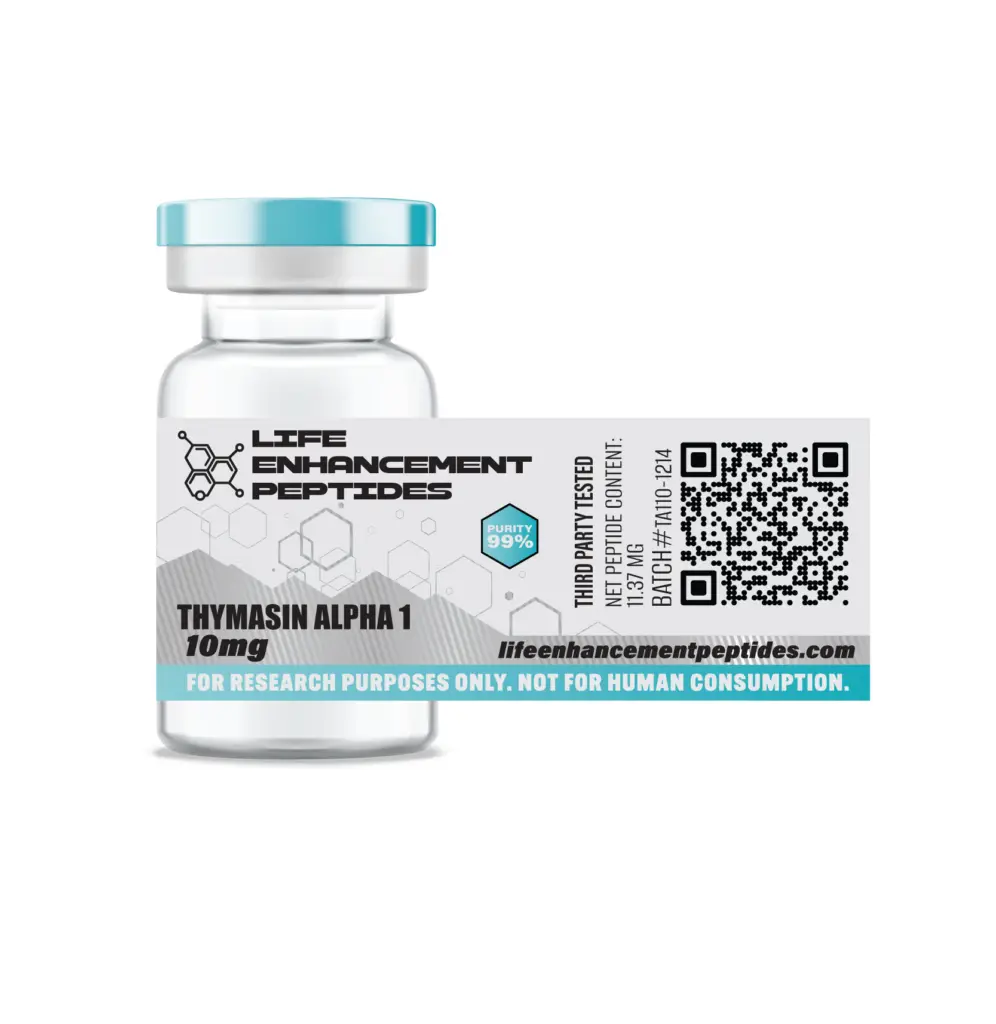
Thymosin Alpha-1
10mg
A 28-amino acid thymus-derived peptide approved in over 35 countries as Zadaxin, with substantial clinical evidence for viral infection treatment, cancer immunotherapy synergy, and vaccine response enhancement.
 immune longevity
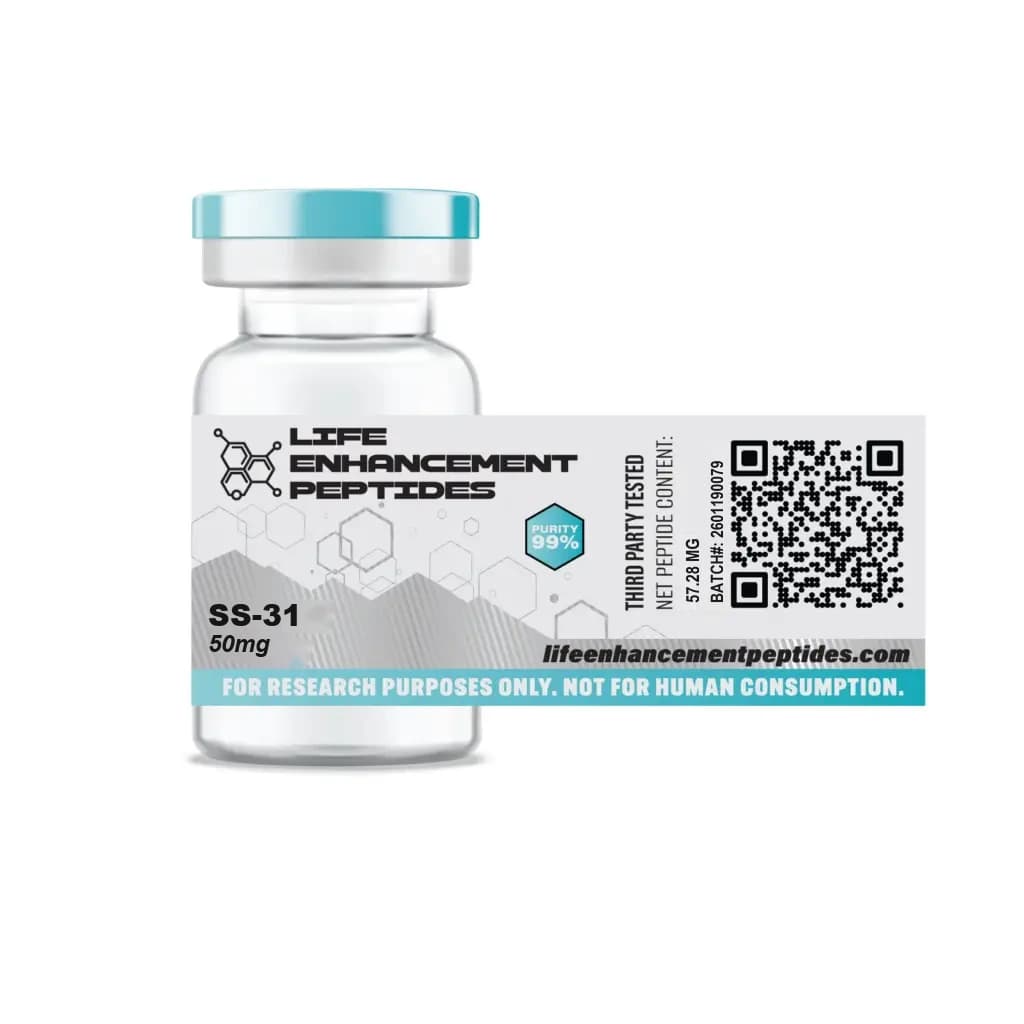
SS-31
50mg
A mitochondria-targeted tetrapeptide that binds cardiolipin on the inner mitochondrial membrane, preserving electron transport chain function and reducing reactive oxygen species — approved in 2024 as elamipretide (Forzinity) for Barth syndrome.