
Tissue Repair & Recovery
TB-500 — 10mg
Wolverine Stack$60
A synthetic fragment of Thymosin Beta-4 corresponding to the actin-binding domain, extensively studied for its role in cardiac angiogenesis, soft tissue healing, and corneal regeneration.
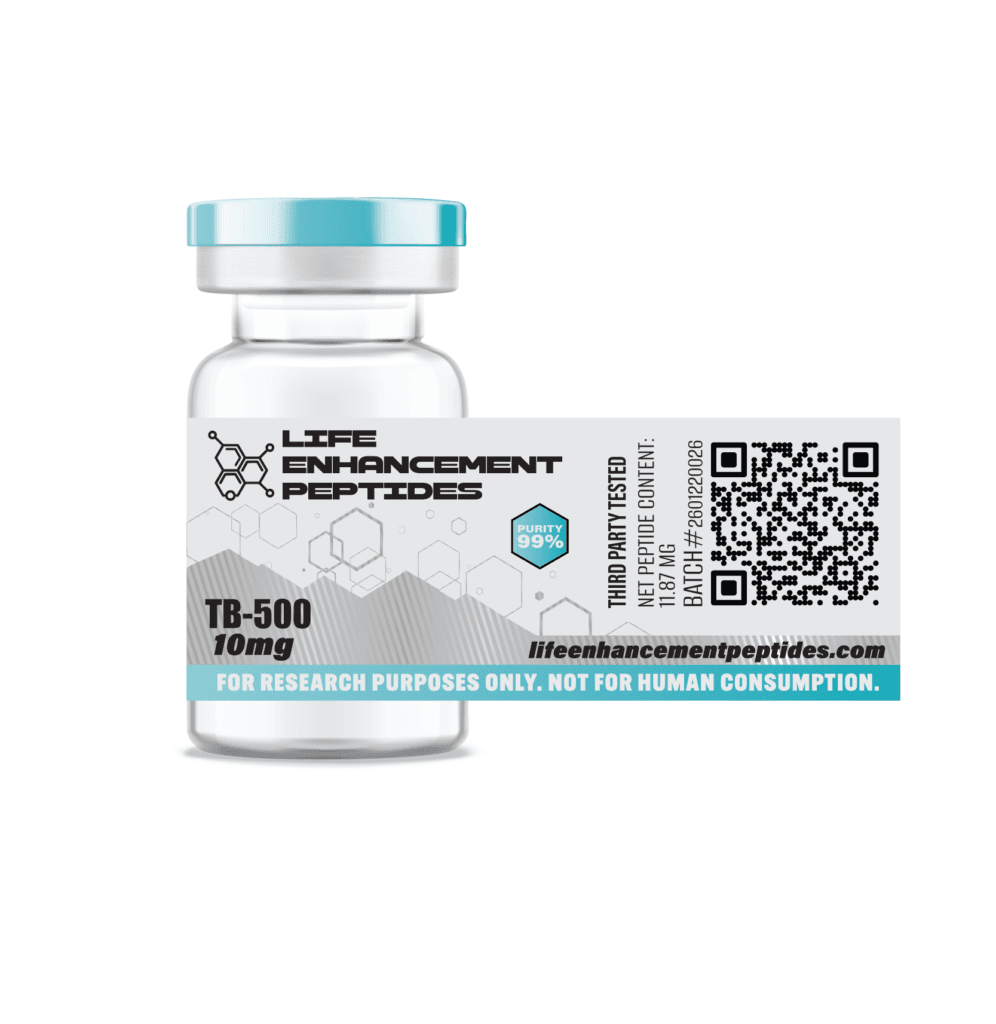 Tissue Repair & Recovery
Overview
TB-500 is a synthetic heptapeptide derived from the actin-binding domain of the naturally occurring 43-amino acid protein Thymosin Beta-4. While full-length Tβ4 has broad intracellular roles, TB-500 isolates the biologically active region responsible for the protein's tissue-remodeling effects — making it an effective and more tractable research compound. Its primary mechanism involves sequestering actin monomers and finely modulating actin filament assembly dynamics, which in turn drives the cytoskeletal changes necessary for cell migration into damaged tissue.
Beyond actin regulation, TB-500 activates the ILK/Akt survival pathway, promoting cell survival in hypoxic and inflammatory environments. This pathway is particularly well-characterized in cardiac models, where TB-500 administration has been shown to induce angiogenesis in ischemic myocardium and improve cardiomyocyte survival following infarct. In dermal and corneal wound models, the peptide consistently accelerates re-epithelialization and reduces scar formation — effects that have positioned it as a subject of active ophthalmological research.
The musculoskeletal flexibility and anti-fibrotic properties documented in animal models make TB-500 a frequent subject of sports medicine research. Its complementary mechanisms to BPC-157 — particularly its emphasis on cell survival and systemic mobility versus BPC-157's focus on local receptor sensitization — have made the two peptides a common pairing in combined healing protocols.
Mechanism of Action
Binds and sequesters actin monomers to modulate filament assembly; regulates directed cell migration via the ILK/Akt pathway; promotes angiogenesis and cardiomyocyte survival in ischemic tissue.
Research Applications
Areas of peer-reviewed scientific inquiry where this compound has appeared.
- Cardiac repair and angiogenesis
- Dermal wound healing and re-epithelialization
- Corneal injury and ocular regeneration
- CNS regeneration and neuroprotection
- Musculoskeletal flexibility and anti-fibrosis
Key Findings from the Literature
- 01Promotes cardiac angiogenesis and cardiomyocyte survival in ischemic models
- 02Accelerates wound re-epithelialization and reduces fibrotic scarring
- 03Strong corneal wound healing evidence across multiple animal models
- 04ILK/Akt pathway activation supports cell survival in hypoxic environments
Certificates of Analysis2
Independent third-party lab reports for this peptide. Each CoA can be verified against its accession number at the testing lab.
2 independent tests by Freedom Diagnostics Testing
| Test | Result |
|---|---|
| Purity (HPLC) | 99.36% |
| Identity (MS) | Pass |
| Endotoxins (LAL) | Pass |
Lab: Freedom Diagnostics Testing
Accession: 2605200155
Reports are verifiable against the issuing lab using the accession or batch identifier above.
Related Peptides
Other compounds in the tissue repair & recovery category.
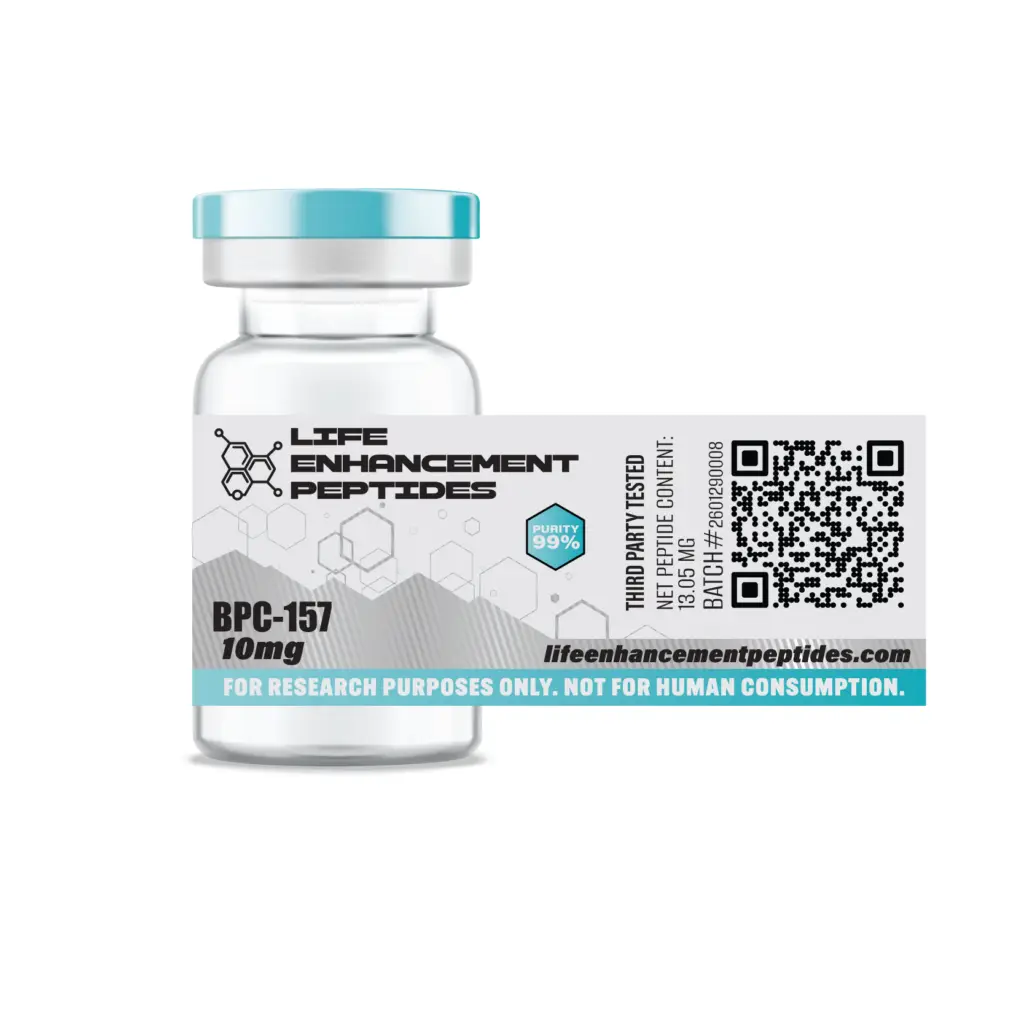 tissue repair
BPC-157
10mg
A 15-amino acid pentadecapeptide derived from human gastric juice, studied for its remarkable capacity to accelerate healing across musculoskeletal, gastrointestinal, and neural tissues.
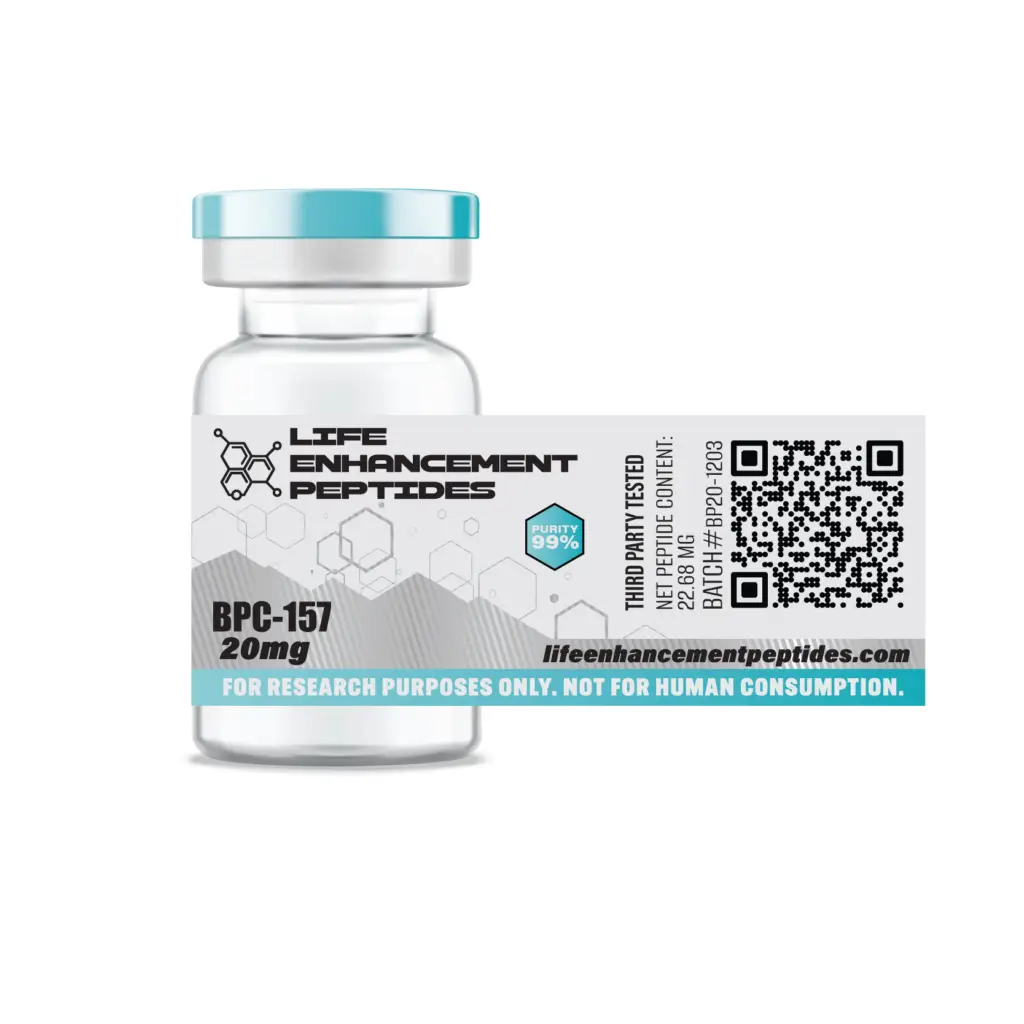 tissue repair
BPC-157
20mg
The higher-dose format of BPC-157 for research protocols requiring extended treatment windows or higher per-administration quantities of this gastric-derived pentadecapeptide.
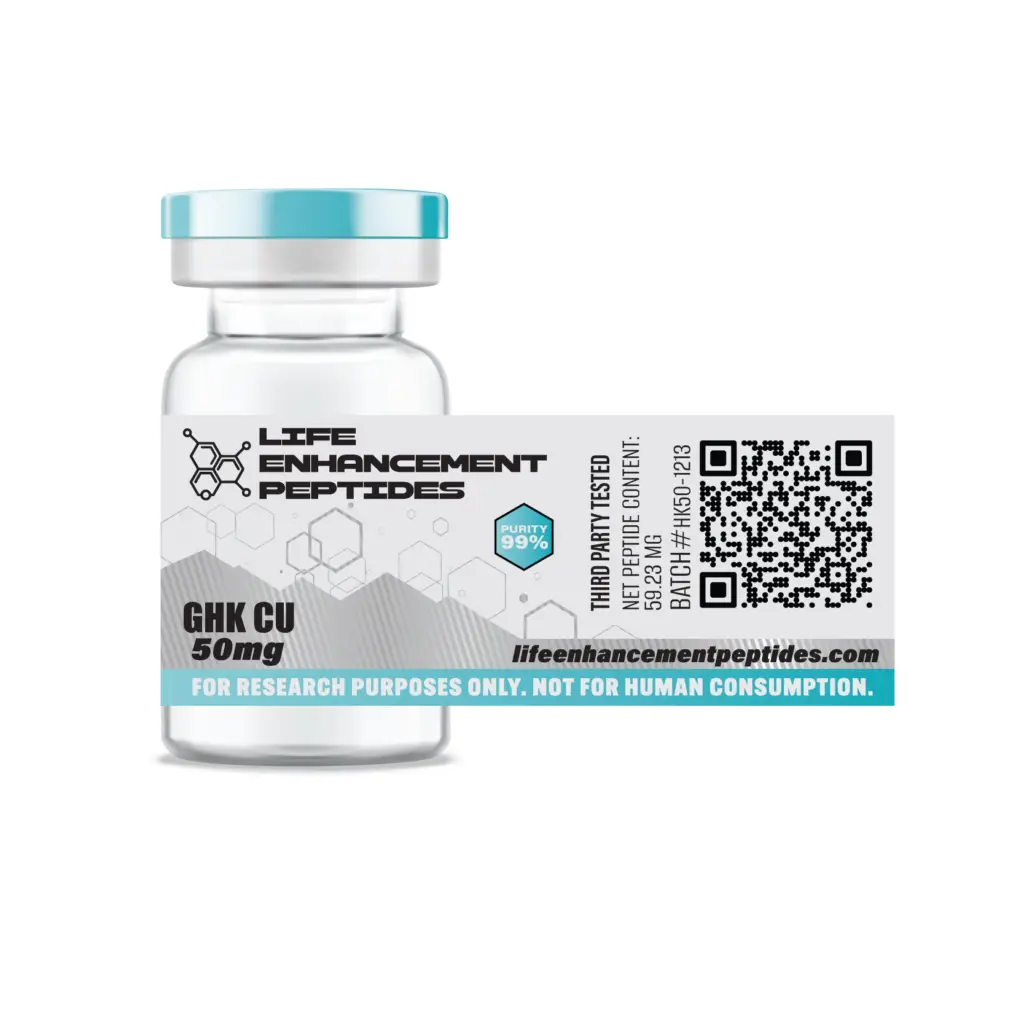 tissue repair
GHK-Cu
50mg
A naturally occurring copper-binding tripeptide found in human plasma, notable for its genomic reach — modulating approximately 4,000 human genes involved in tissue remodeling, growth factor expression, and anti-aging responses.