
Tissue Repair & Recovery
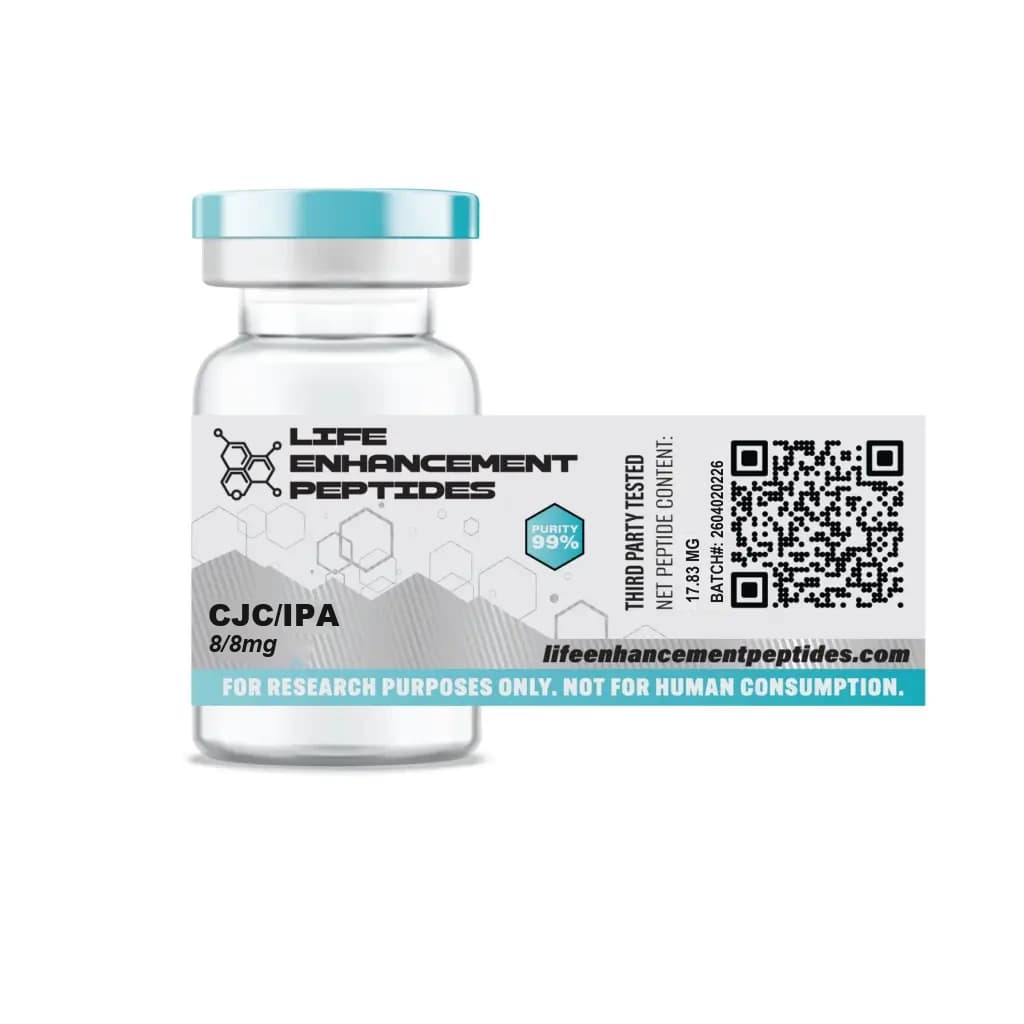
CJC-1295 / Ipamorelin — 8mg / 8mg
$105
A combined vial of modified GHRH (CJC-1295) and the selective ghrelin receptor agonist Ipamorelin, co-formulated for synergistic pulsatile growth hormone release that mimics endogenous secretion patterns.
 Tissue Repair & Recovery
Overview
CJC-1295 / Ipamorelin is a co-formulated research compound containing two mechanistically complementary growth hormone secretagogues at equal concentrations. CJC-1295 is a modified 30-amino acid analog of growth hormone-releasing hormone (GHRH 1-29) that carries a tetrasubstitution pattern (D-Ala²-Gln⁸-Ala¹⁵-Leu²⁷) stabilizing it against dipeptidyl peptidase IV cleavage. Without the DAC (drug affinity complex) albumin-binding modification, this variant — often called CJC-1295 No-DAC or Modified GRF 1-29 — has a short half-life of approximately 30 minutes, which is deliberate: it produces a physiological GHRH-like pulse rather than tonic receptor stimulation.
Ipamorelin is a selective pentapeptide ghrelin receptor (GHSR-1a) agonist developed by Novo Nordisk. Unlike earlier growth hormone secretagogues (GHRP-2, GHRP-6, hexarelin), Ipamorelin is notably selective — it produces robust GH release without elevating cortisol, prolactin, or aldosterone, which has made it the preferred ghrelin mimetic for research protocols where clean GH isolation is required. The two compounds work synergistically: CJC-1295 acts on GHRH receptors to drive somatotrope release of GH, while Ipamorelin simultaneously inhibits somatostatin and amplifies the GH pulse through the parallel ghrelin pathway.
The result of this dual mechanism is pulsatile GH release that closely mimics endogenous patterns — a mechanistically important feature, since tonic GH exposure produces different downstream effects than pulsatile exposure at the same AUC. Research applications span body composition, sleep architecture (GH is preferentially released during slow-wave sleep), post-injury recovery, and age-related decline in GH output. The 8mg/8mg co-formulation simplifies reconstitution and dosing: the equal-concentration pairing is the most widely used ratio in community protocols, typically dosed at 100–200 mcg of each peptide before sleep.
Mechanism of Action
CJC-1295 binds GHRH receptors on pituitary somatotropes to drive GH release; Ipamorelin selectively activates GHSR-1a to suppress somatostatin and amplify the GH pulse; combined effect produces pulsatile GH secretion mimicking endogenous patterns.
Research Applications
Areas of peer-reviewed scientific inquiry where this compound has appeared.
- Body composition and fat mass reduction research
- Sleep architecture and slow-wave sleep research
- Recovery from musculoskeletal injury
- Age-related GH decline (somatopause) models
- Pulsatile vs tonic GH exposure comparisons
Key Findings from the Literature
- 01Synergistic mechanism — GHRH activation plus somatostatin inhibition
- 02Ipamorelin selectivity: GH release without cortisol, prolactin, or aldosterone elevation
- 03Produces pulsatile GH release pattern matching endogenous secretion
- 04CJC-1295 No-DAC variant: 30-minute half-life supports physiological pulsing
- 058mg/8mg co-formulation is the most widely used community research ratio
Certificates of Analysis1
Independent third-party lab reports for this peptide. Each CoA can be verified against its accession number at the testing lab.
1 independent test by Freedom Diagnostics Testing
| Test | Result |
|---|---|
| Purity (HPLC) | 99.676% |
| Identity (MS) | Pass |
| Endotoxins (LAL) | Pass |
Lab: Freedom Diagnostics Testing
Accession: 2604020226
Reports are verifiable against the issuing lab using the accession or batch identifier above.
Related Peptides
Other compounds in the tissue repair & recovery category.
 tissue repair
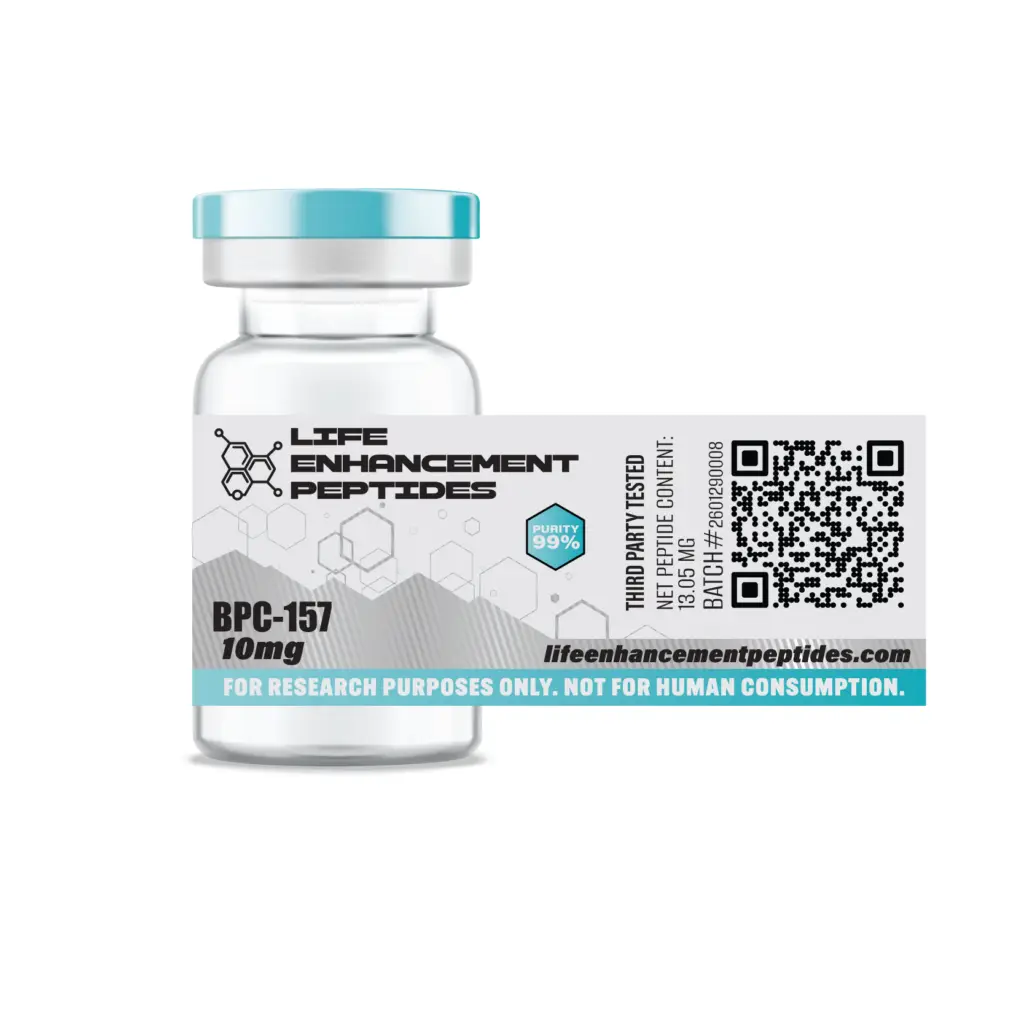
BPC-157
10mg
A 15-amino acid pentadecapeptide derived from human gastric juice, studied for its remarkable capacity to accelerate healing across musculoskeletal, gastrointestinal, and neural tissues.
 tissue repair
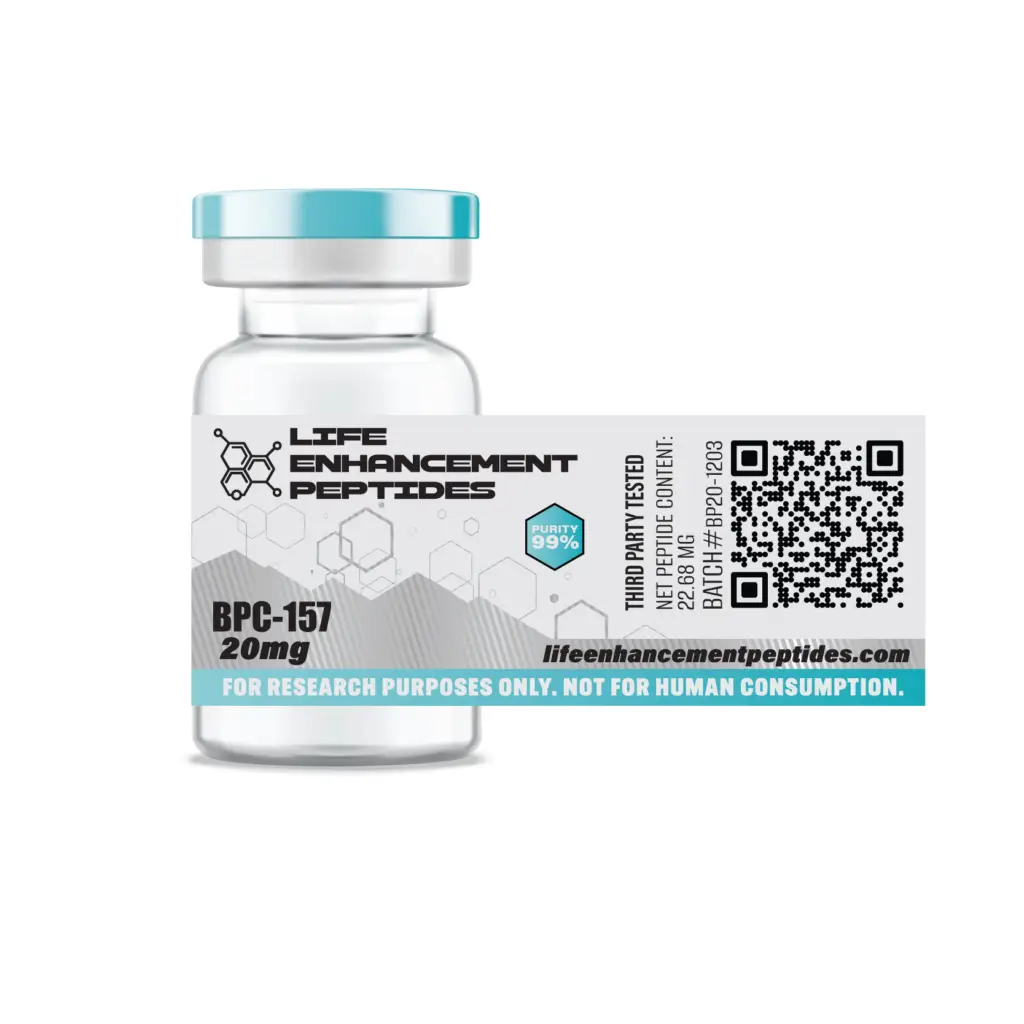
BPC-157
20mg
The higher-dose format of BPC-157 for research protocols requiring extended treatment windows or higher per-administration quantities of this gastric-derived pentadecapeptide.
 tissue repair
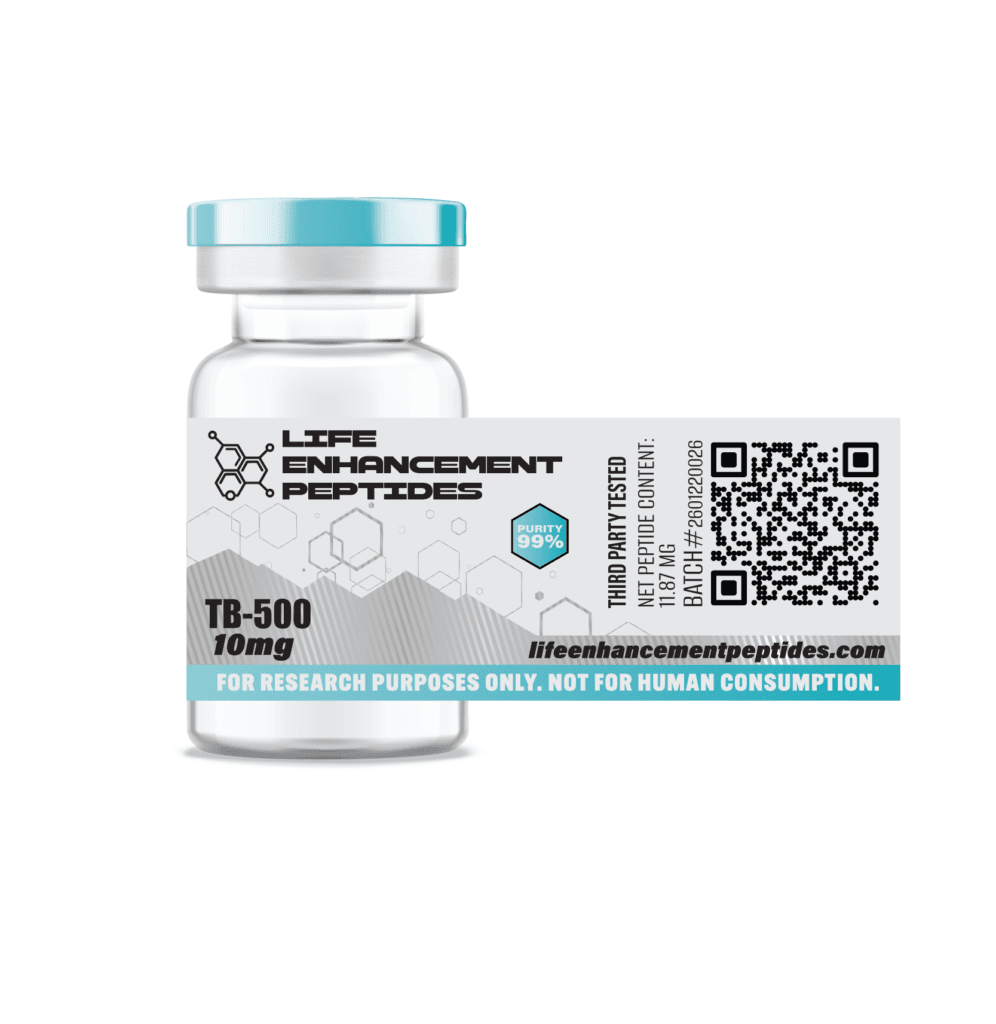
TB-500
10mg
A synthetic fragment of Thymosin Beta-4 corresponding to the actin-binding domain, extensively studied for its role in cardiac angiogenesis, soft tissue healing, and corneal regeneration.