
Tissue Repair & Recovery
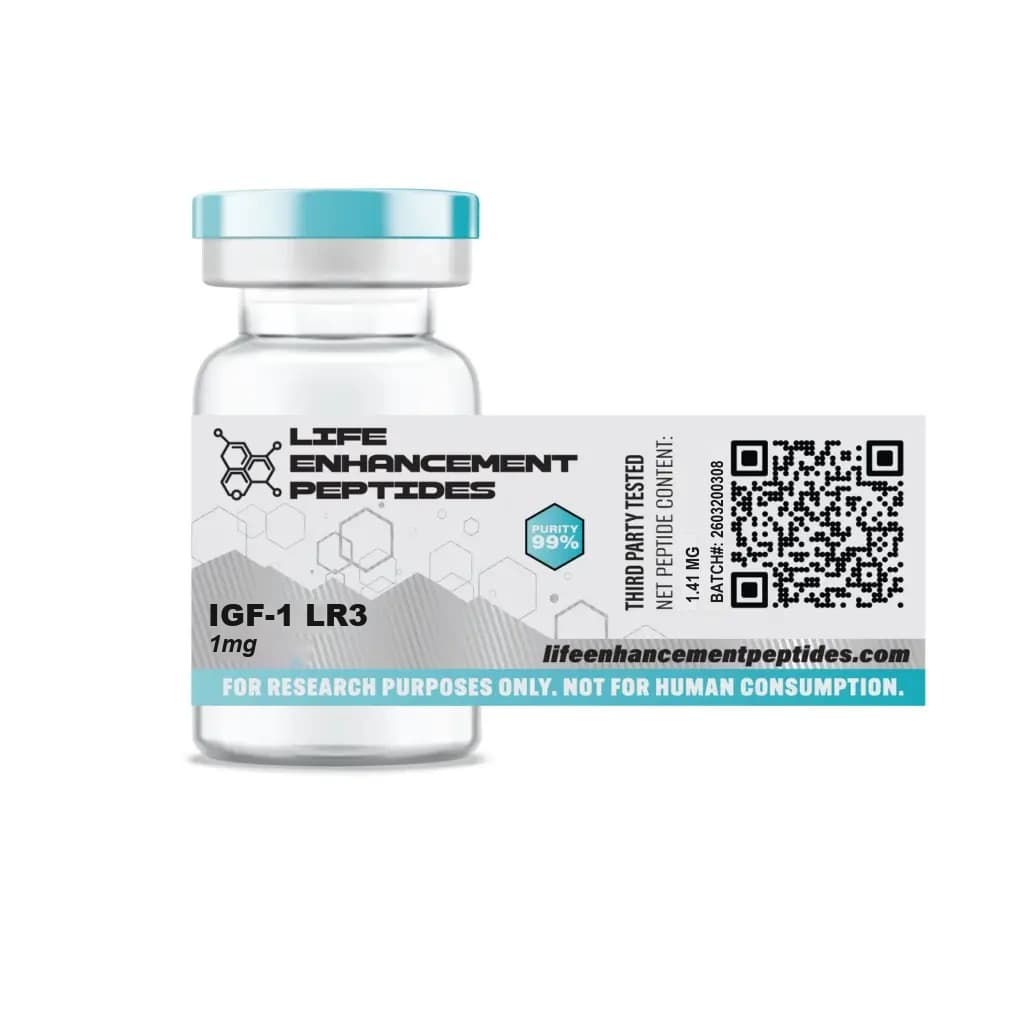
IGF-1 LR3 — 1mg
$77
A long-acting analog of insulin-like growth factor 1 engineered for extended half-life and reduced binding to IGFBPs — widely used in muscle and tissue growth research as a potent anabolic compound.
 Tissue Repair & Recovery
Overview
IGF-1 LR3 (Long R3 IGF-1) is an 83-amino acid engineered analog of recombinant human insulin-like growth factor 1 (IGF-1). Two structural modifications distinguish it from native IGF-1: an arginine substitution at position 3 (R3) that reduces binding affinity to the IGF binding proteins (IGFBPs), and a 13-amino acid N-terminal extension that further stabilizes the peptide against degradation. The combined effect is a dramatic extension of circulating half-life — from approximately 20 minutes for native IGF-1 to 20–30 hours for IGF-1 LR3 — and a significant increase in bioavailable peptide at target tissues since IGFBP sequestration is reduced.
Functionally, IGF-1 LR3 retains full agonist activity at the IGF-1 receptor (IGF1R), driving PI3K/Akt and MAPK signaling cascades that promote protein synthesis, cell proliferation, and survival. The peptide's anabolic effects are most pronounced in skeletal muscle, where it stimulates satellite cell activation and myoblast proliferation, and in connective tissue, where it accelerates fibroblast-mediated collagen synthesis. The extended half-life means that sustained receptor occupancy can be achieved with less frequent administration than native IGF-1 would require — a practical advantage in research protocols.
Because of its potency, IGF-1 LR3 is commonly used in cell culture research at very low concentrations (ng/mL range) as a mitogenic factor and in vivo research focused on muscle hypertrophy, tendon and ligament repair, and anabolic response characterization. Its reduced IGFBP binding also makes it useful in research contexts where IGFBP sequestration would otherwise complicate interpretation — for example, in studies examining tissue-specific IGF-1 signaling independent of systemic IGFBP regulation. The peptide's potent effects on cell proliferation require careful dose handling in any proliferation-sensitive research context.
Mechanism of Action
Binds IGF-1 receptor (IGF1R) to activate PI3K/Akt and MAPK signaling cascades; R3 substitution reduces IGFBP sequestration; 13-AA N-terminal extension prolongs circulating half-life to 20–30 hours.
Research Applications
Areas of peer-reviewed scientific inquiry where this compound has appeared.
- Skeletal muscle hypertrophy and satellite cell research
- Tendon, ligament, and connective tissue repair
- Cell culture mitogenesis and proliferation assays
- Anabolic signaling characterization
- Musculoskeletal injury recovery models
Key Findings from the Literature
- 01Half-life extended from ~20 minutes (native IGF-1) to 20–30 hours
- 02R3 arginine substitution reduces IGFBP sequestration — greater bioavailability
- 03Full agonist activity at IGF1R with PI3K/Akt and MAPK pathway activation
- 04Potent stimulation of satellite cell activation in skeletal muscle
- 05Widely used at ng/mL concentrations in cell culture research
Certificates of Analysis1
Independent third-party lab reports for this peptide. Each CoA can be verified against its accession number at the testing lab.
1 independent test by Freedom Diagnostics Testing
| Test | Result |
|---|---|
| Purity (HPLC) | 99.064% |
| Identity (MS) | Pass |
| Endotoxins (LAL) | Pass |
Lab: Freedom Diagnostics Testing
Accession: 2603200308 / 2603200309
Reports are verifiable against the issuing lab using the accession or batch identifier above.
Related Peptides
Other compounds in the tissue repair & recovery category.
 tissue repair
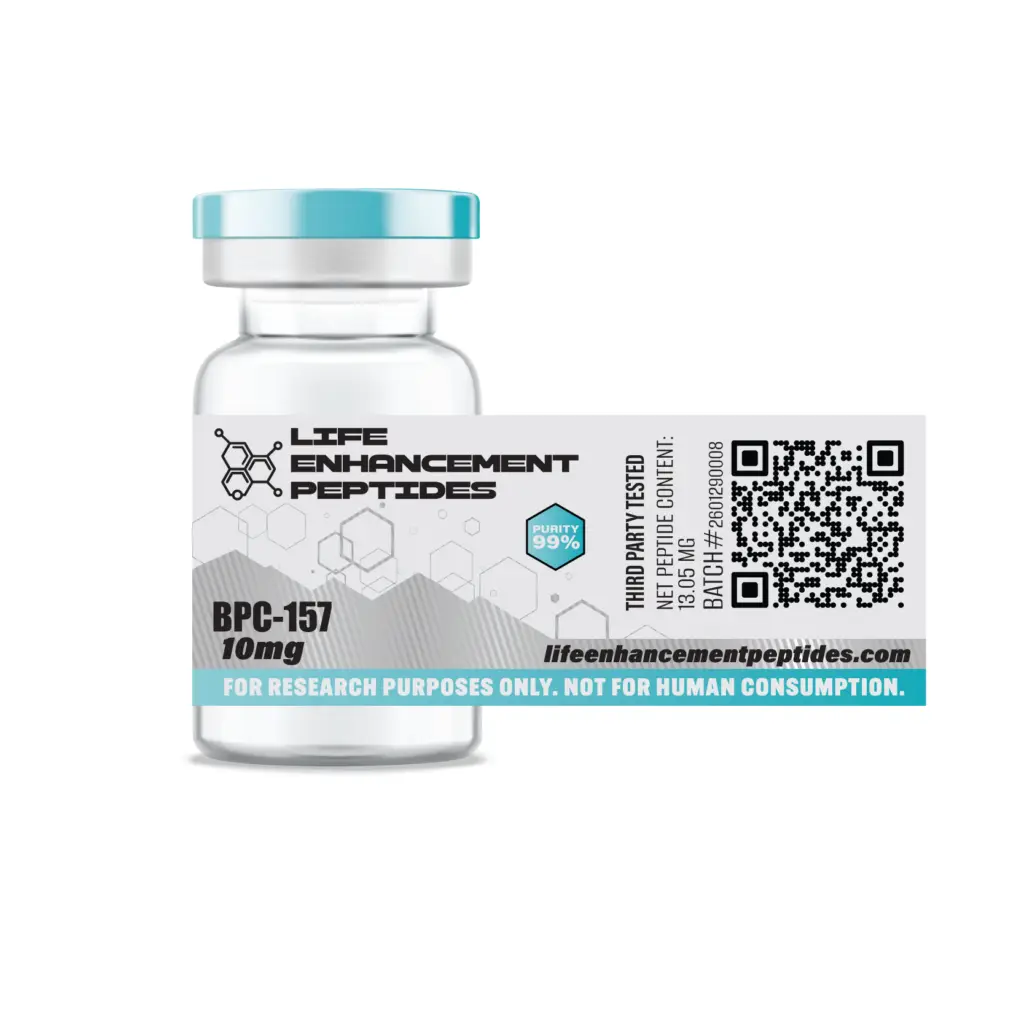
BPC-157
10mg
A 15-amino acid pentadecapeptide derived from human gastric juice, studied for its remarkable capacity to accelerate healing across musculoskeletal, gastrointestinal, and neural tissues.
 tissue repair
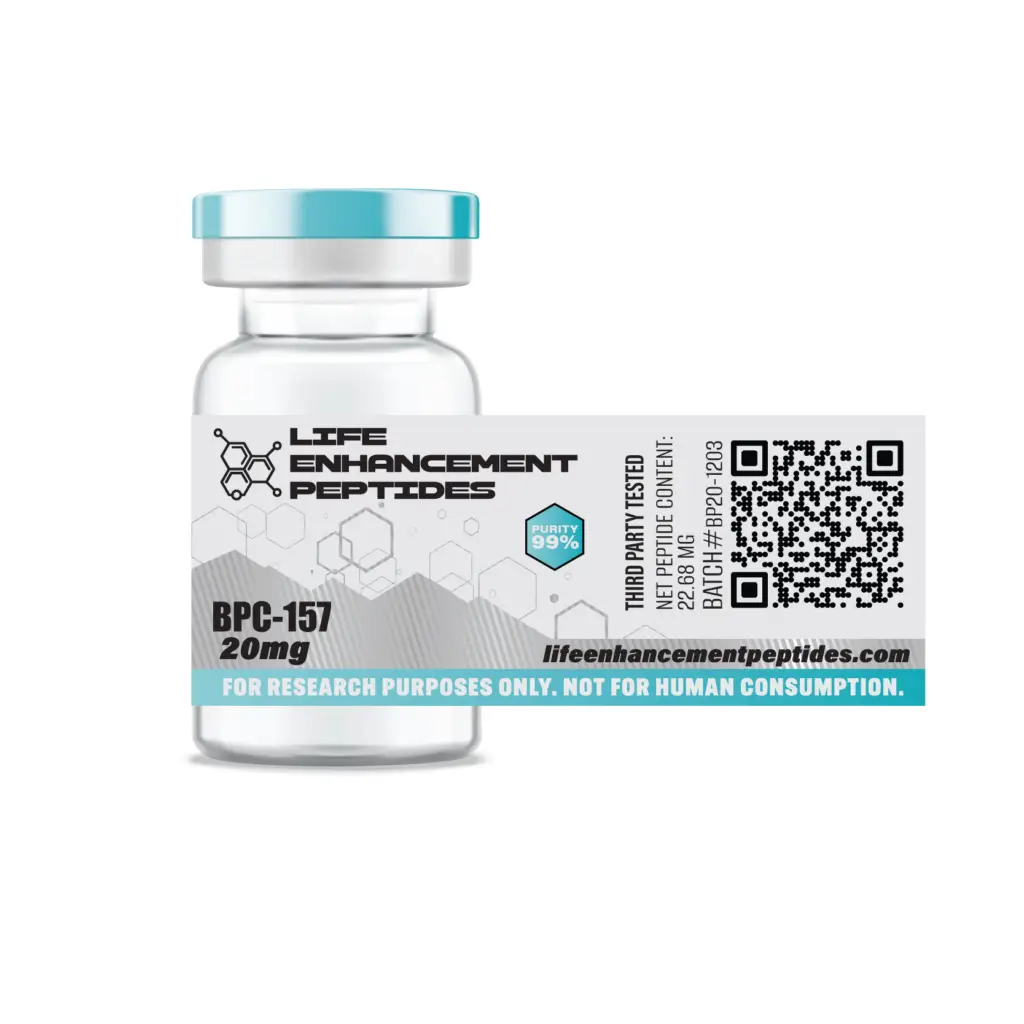
BPC-157
20mg
The higher-dose format of BPC-157 for research protocols requiring extended treatment windows or higher per-administration quantities of this gastric-derived pentadecapeptide.
 tissue repair
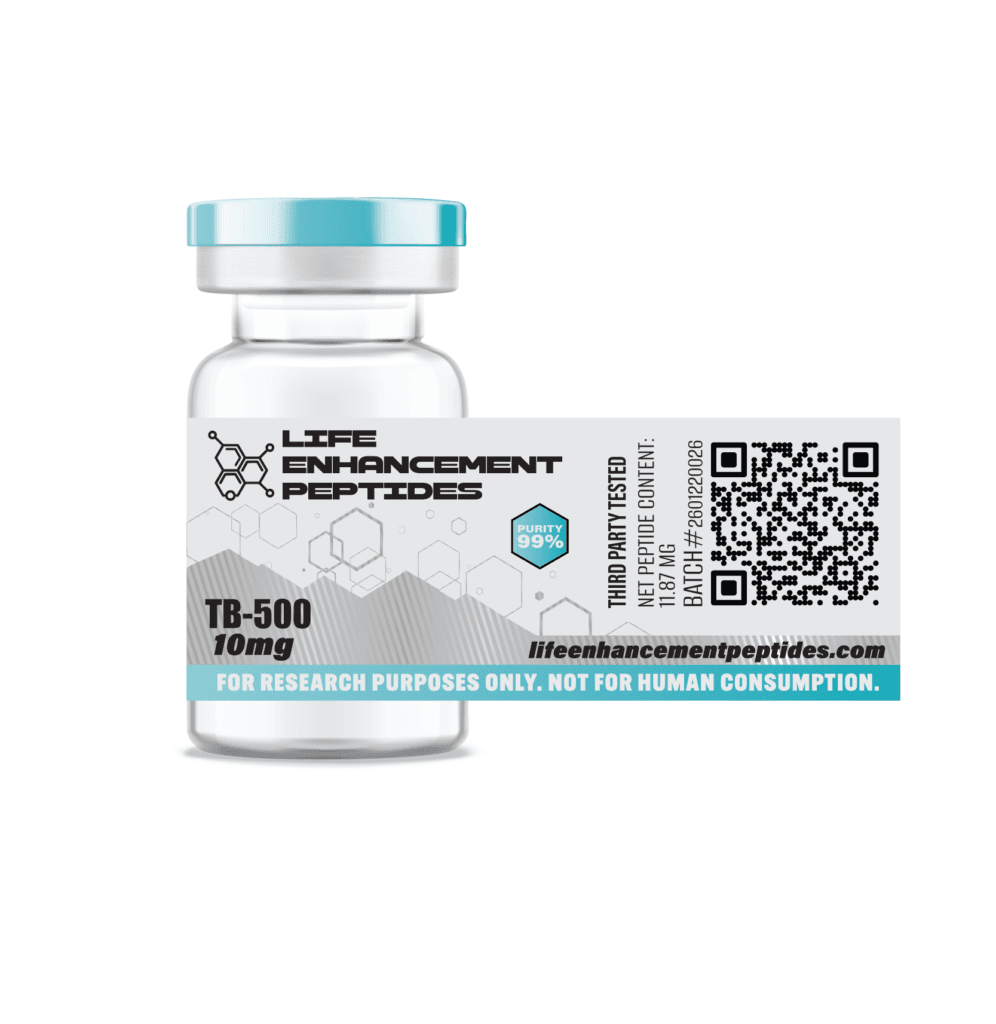
TB-500
10mg
A synthetic fragment of Thymosin Beta-4 corresponding to the actin-binding domain, extensively studied for its role in cardiac angiogenesis, soft tissue healing, and corneal regeneration.