
Metabolic Research
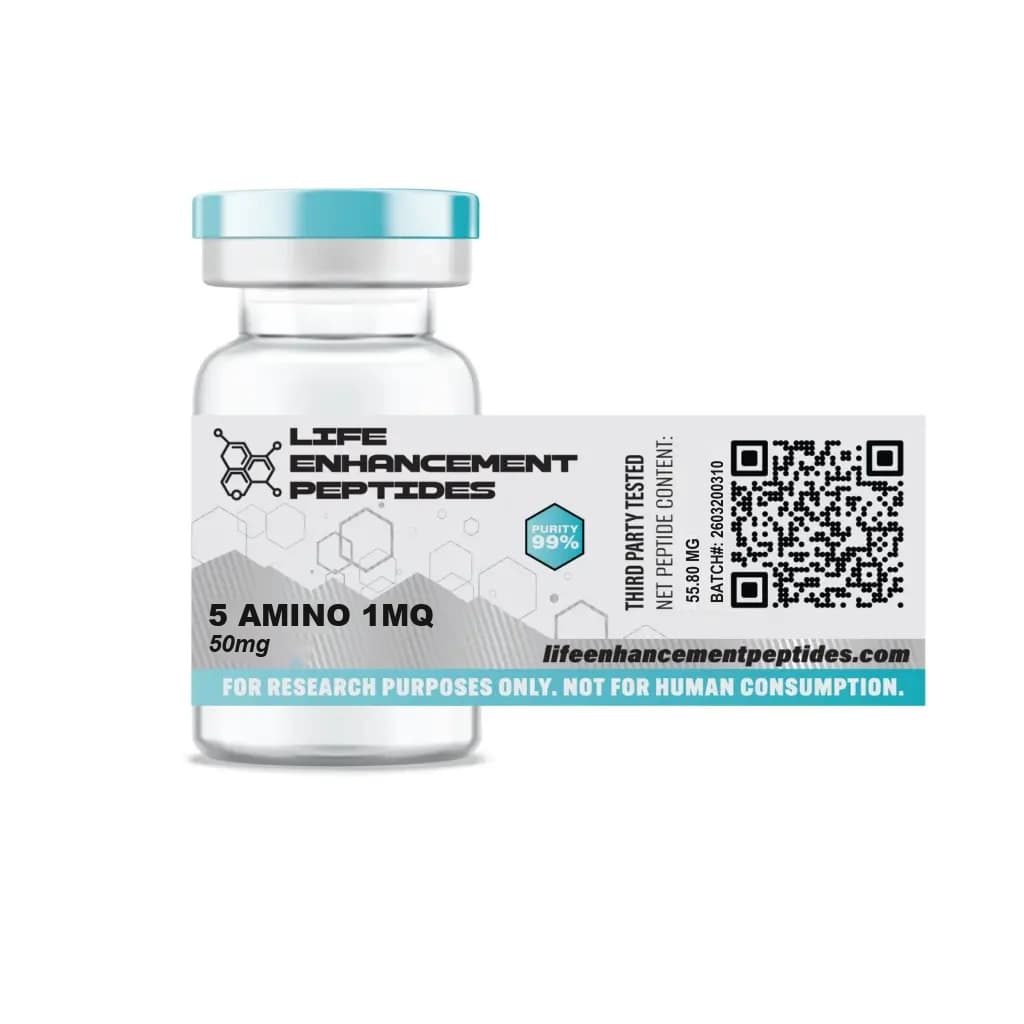
5-Amino 1MQ — 50mg
$89
A potent small-molecule inhibitor of nicotinamide N-methyltransferase (NNMT) — a metabolic enzyme implicated in obesity and adipose dysfunction — with strong preclinical evidence for fat mass reduction and NAD⁺ elevation without caloric restriction.
 Metabolic Research
Overview
5-Amino-1-methylquinolinium (5-Amino 1MQ) is a small-molecule inhibitor of nicotinamide N-methyltransferase (NNMT), a metabolic enzyme that consumes S-adenosylmethionine (SAM) to methylate nicotinamide — simultaneously depleting two critical cellular resources: the universal methyl donor (SAM) and the NAD⁺ salvage precursor (nicotinamide). NNMT is normally expressed at low levels in most tissues, but elevated NNMT activity in adipose tissue, muscle, and liver has emerged over the past decade as a consistent molecular signature of obesity, insulin resistance, and age-related metabolic decline.
By inhibiting NNMT, 5-Amino 1MQ restores intracellular NAD⁺ and SAM pools, which drives several downstream metabolic consequences: increased histone methylation (gene expression remodeling), improved mitochondrial biogenesis and fatty acid oxidation, and shifted adipocyte phenotype toward thermogenic metabolism. In rodent models of diet-induced obesity, oral 5-Amino 1MQ produced significant reductions in body weight and adipose mass, reduced lipid accumulation in liver, and improved insulin sensitivity — all without caloric restriction or exercise intervention. These outcomes have positioned the compound as a candidate exercise- and restriction-independent metabolic modulator.
Unlike GLP-1 class agents that act centrally to reduce caloric intake, 5-Amino 1MQ works through peripheral metabolic rewiring — making it mechanistically complementary rather than redundant to appetite-suppressing agents. This distinct mechanism has generated interest in its potential as a research companion compound to GLP-1 investigations, in age-related sarcopenic obesity models, and in fatty liver disease research where hepatic NAD⁺ restoration is mechanistically relevant. The compound is technically a small molecule rather than a peptide but is frequently grouped with metabolic research peptides due to its shared research context and delivery format.
Mechanism of Action
Inhibits NNMT to prevent SAM-dependent methylation of nicotinamide; restores intracellular NAD⁺ and SAM pools; drives mitochondrial biogenesis and fatty acid oxidation; shifts adipocyte phenotype toward thermogenic metabolism.
Research Applications
Areas of peer-reviewed scientific inquiry where this compound has appeared.
- Obesity and diet-induced weight gain models
- Adipose tissue phenotype and thermogenesis
- NAD⁺ restoration and longevity research
- Non-alcoholic fatty liver disease (NAFLD)
- Insulin resistance and metabolic syndrome
- Sarcopenic obesity and age-related metabolic decline
Key Findings from the Literature
- 01Reduced body weight and adipose mass in diet-induced obesity without caloric restriction
- 02Restores intracellular NAD⁺ and SAM pools via NNMT inhibition
- 03Peripheral metabolic mechanism complementary to centrally-acting GLP-1 agents
- 04Improved insulin sensitivity and reduced hepatic steatosis in rodent models
- 05Elevated NNMT is a consistent molecular signature of obesity and metabolic disease
Certificates of Analysis1
Independent third-party lab reports for this peptide. Each CoA can be verified against its accession number at the testing lab.
1 independent test by Freedom Diagnostics Testing
| Test | Result |
|---|---|
| Purity (HPLC) | 99.712% |
| Identity (MS) | Pass |
| Endotoxins (LAL) | Pass |
Lab: Freedom Diagnostics Testing
Accession: 2603200310 / 2603200311
Reports are verifiable against the issuing lab using the accession or batch identifier above.
Related Peptides
Other compounds in the metabolic research category.
 metabolic
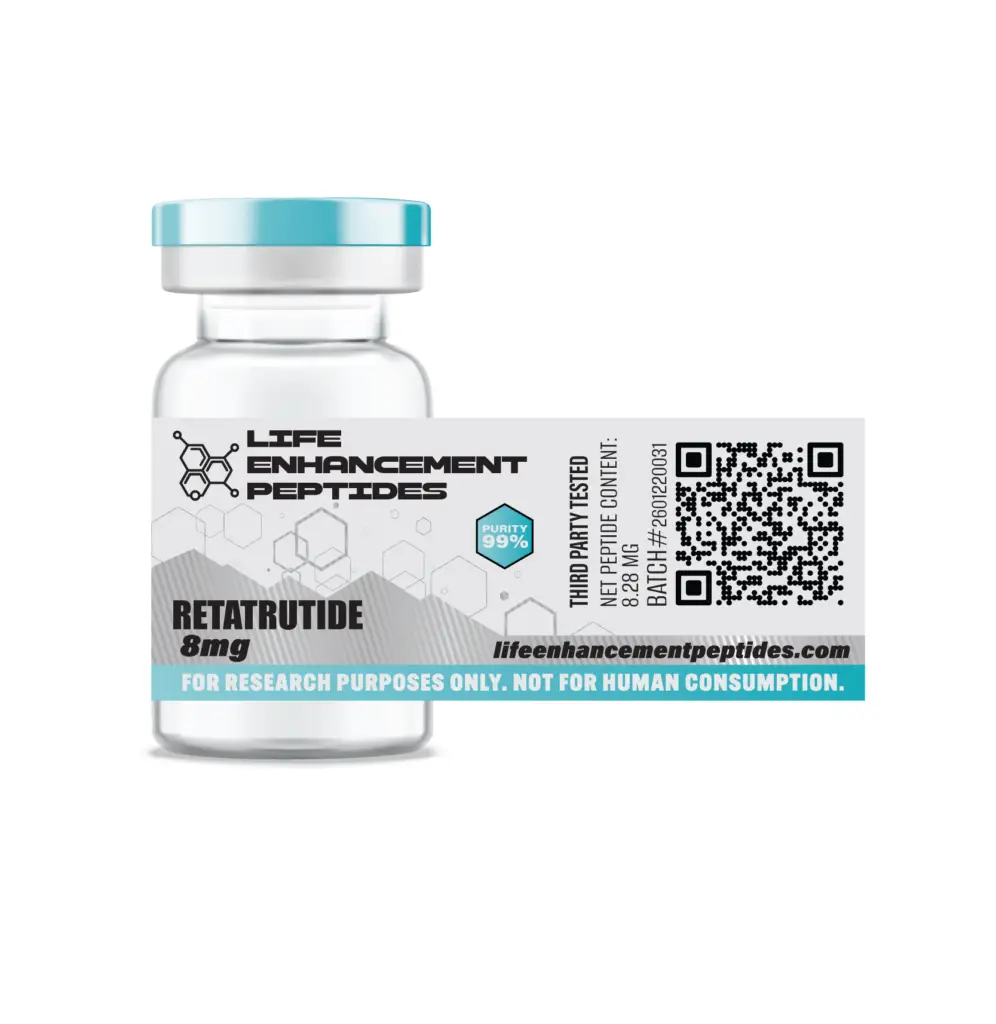
Retatrutide
8mg
Eli Lilly's investigational triple receptor agonist targeting GLP-1, GIP, and glucagon receptors simultaneously — demonstrating up to 28.7% weight loss in Phase 3 trials, the highest of any obesity pharmacotherapy to date.
 metabolic
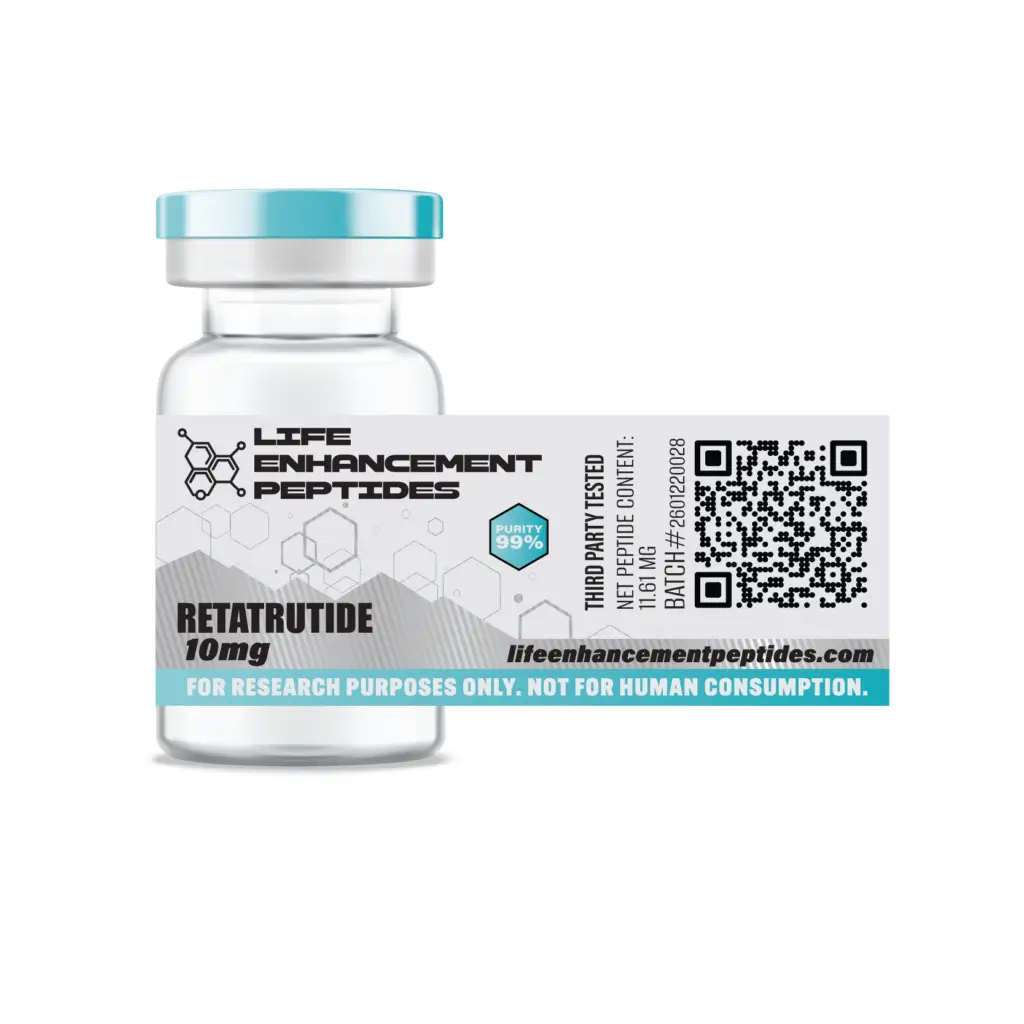
Retatrutide
10mg
The 10mg vial format of retatrutide, Eli Lilly's triple GLP-1/GIP/glucagon receptor agonist, offering greater dosing flexibility for metabolic research protocols targeting weight loss, insulin resistance, and hepatic fat.
 metabolic
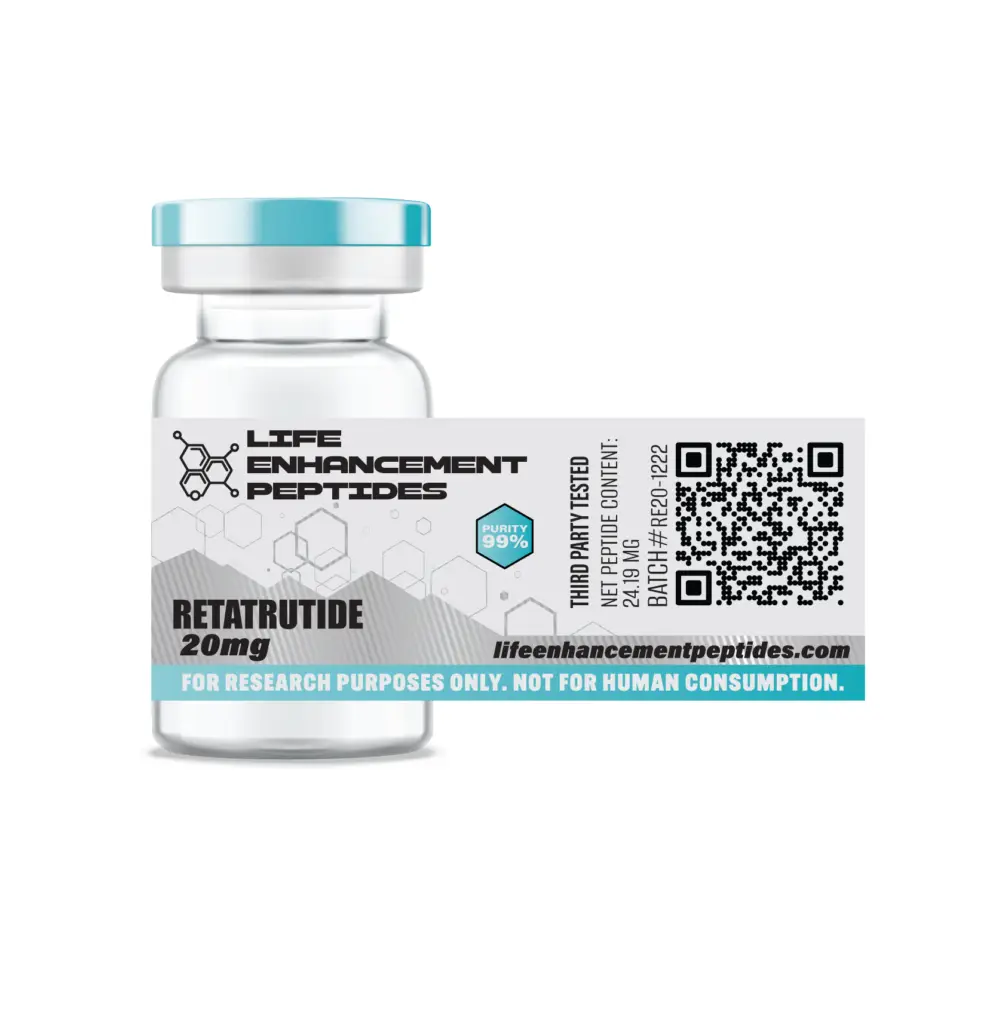
Retatrutide
20mg
The bulk research format of retatrutide — Eli Lilly's groundbreaking triple receptor agonist — providing the largest available quantity for high-throughput metabolic studies or extended longitudinal protocols.