
Cognitive & Neurological
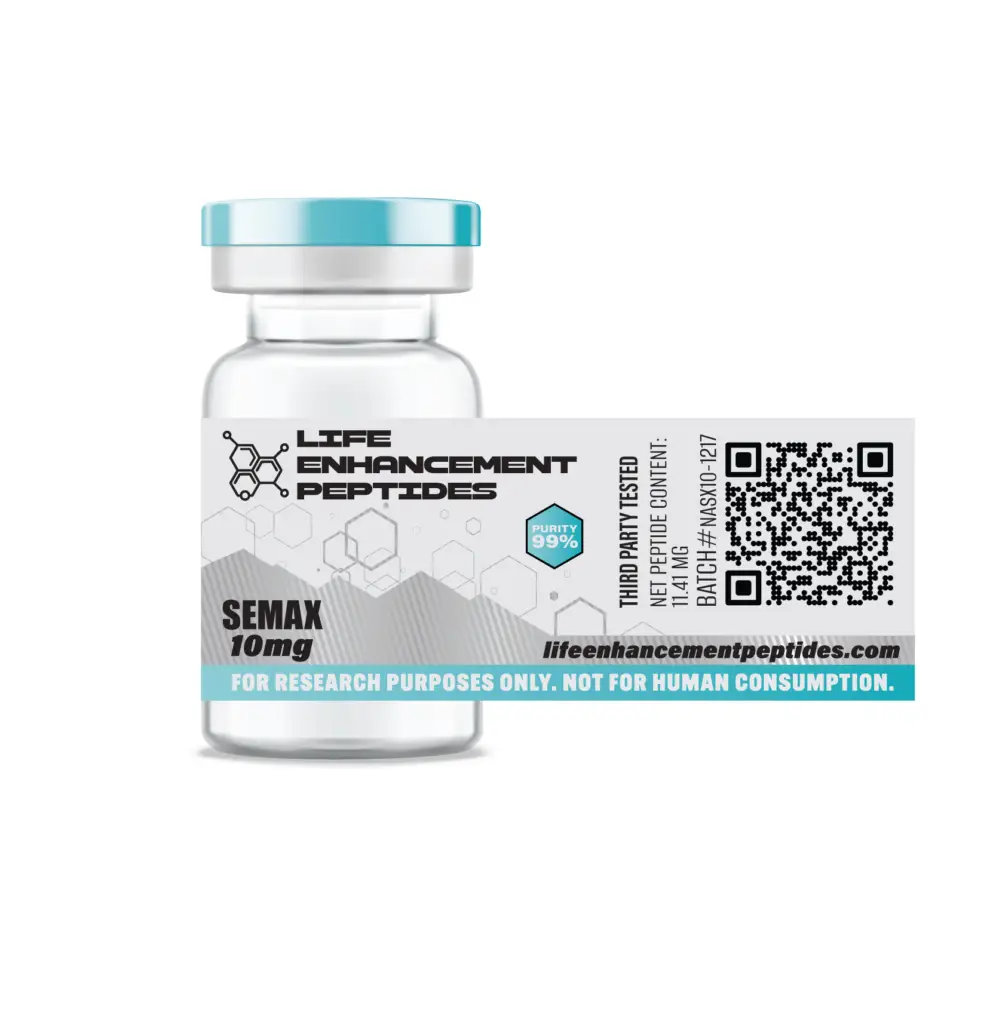
Semax — 10mg
$45
A synthetic ACTH(4-10) heptapeptide derivative approved in Russia for stroke treatment, with documented improvements in attention and short-term memory and emerging evidence for inhibiting amyloid fiber assembly.
 Cognitive & Neurological
Overview
Semax (Met-Glu-His-Phe-Pro-Gly-Pro) is a heptapeptide derived from the adrenocorticotropic hormone fragment ACTH(4-10), modified at the C-terminus with a Pro-Gly-Pro sequence that confers resistance to enzymatic degradation. It was developed by the Institute of Molecular Genetics of the Russian Academy of Sciences and has been approved in Russia since the 1990s for stroke treatment and cognitive enhancement — a regulatory history that provides a clinical evidence base unusual among synthetic neuropeptides.
Semax modulates the dopaminergic and serotonergic systems through interactions with melanocortin receptors MC4 and MC5, producing cognitive enhancement effects that have been characterized as improved attention, working memory, and information processing speed. Like Selank, it inhibits enkephalinase, but its primary neurotrophic action is through upregulation of BDNF and NGF in hippocampal and cortical regions — directly supporting synaptic plasticity and neuronal survival. In ischemic stroke models, it reduces infarct volume and promotes recovery of neurological function through both neuroprotective and neuroplasticity mechanisms.
A particularly notable line of research concerns Semax's ability to inhibit amyloid beta aggregation. In vitro studies have shown that the peptide disrupts the nucleation and elongation phases of amyloid fiber assembly, the pathological process central to Alzheimer's disease progression. While this remains an early-stage finding, it has positioned Semax as a subject of growing interest in neurodegenerative disease research alongside its established cognitive enhancement applications.
Mechanism of Action
Modulates dopaminergic and serotonergic systems via MC4/MC5 receptor interaction; inhibits enkephalinase; upregulates BDNF and NGF for synaptic plasticity; inhibits amyloid beta nucleation and fiber elongation.
Research Applications
Areas of peer-reviewed scientific inquiry where this compound has appeared.
- Ischemic stroke neuroprotection and recovery
- Cognitive enhancement and working memory
- Parkinson's disease models
- Alzheimer's disease and amyloid pathology
- Attention and processing speed research
Key Findings from the Literature
- 01Approved in Russia for stroke treatment since the 1990s
- 02Improved attention and short-term memory in controlled cognitive studies
- 03Inhibits amyloid beta fiber assembly in vitro — Alzheimer's research relevance
- 04Reduces infarct volume and supports functional recovery in ischemic models
- 05Upregulates BDNF and NGF in hippocampal and cortical regions
Certificates of Analysis1
Independent third-party lab reports for this peptide. Each CoA can be verified against its accession number at the testing lab.
1 independent test by Janoshik Analytical
| Test | Result |
|---|---|
| Purity (HPLC) | 99.714% |
| Identity (MS) | Pass |
| Endotoxins (LAL) | Not Tested |
Lab: Janoshik Analytical
Accession: U3LFSC4IBDT7
Reports are verifiable against the issuing lab using the accession or batch identifier above.
Related Peptides
Other compounds in the cognitive & neurological category.
 cognitive
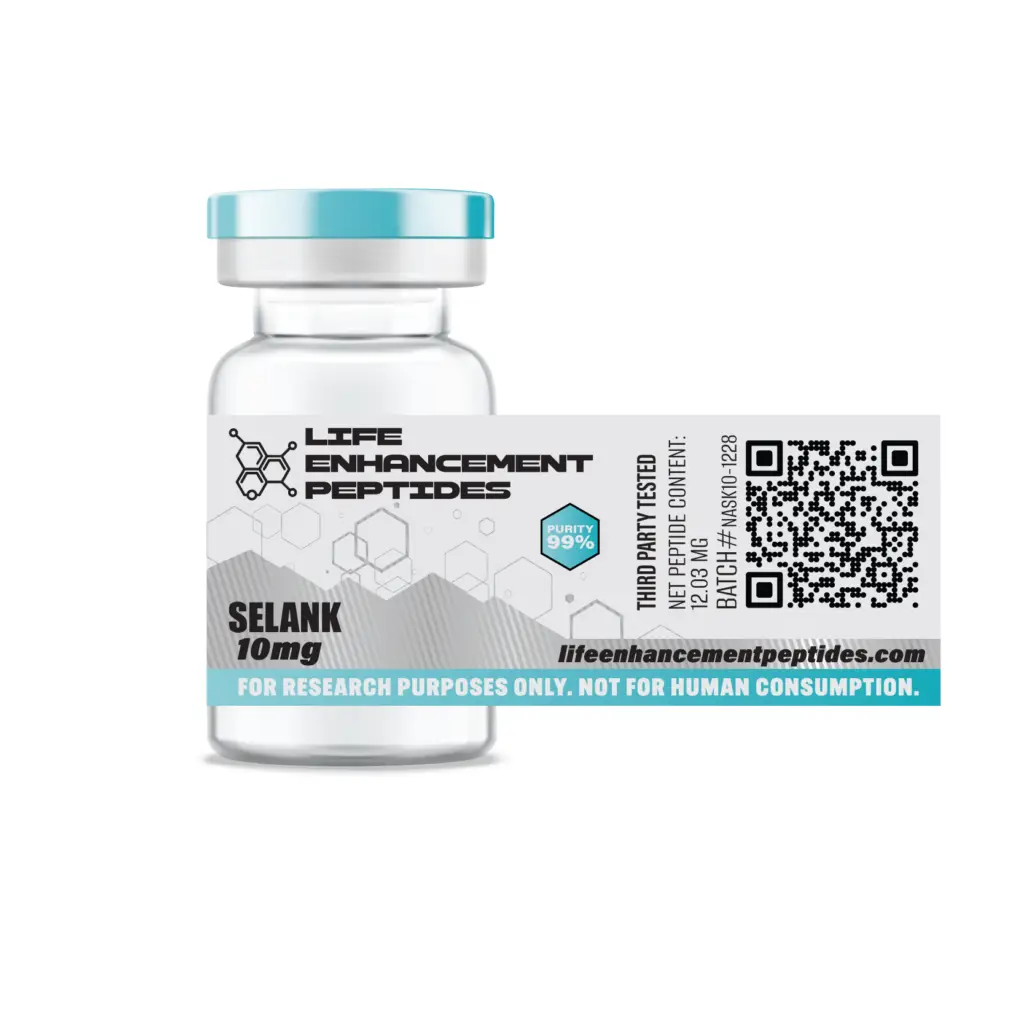
Selank
10mg
A synthetic analog of the immunopeptide Tuftsin with anxiolytic potency comparable to benzodiazepines, but without tolerance, dependence, or the cognitive impairment characteristic of classical GABA-A modulators.
 cognitive
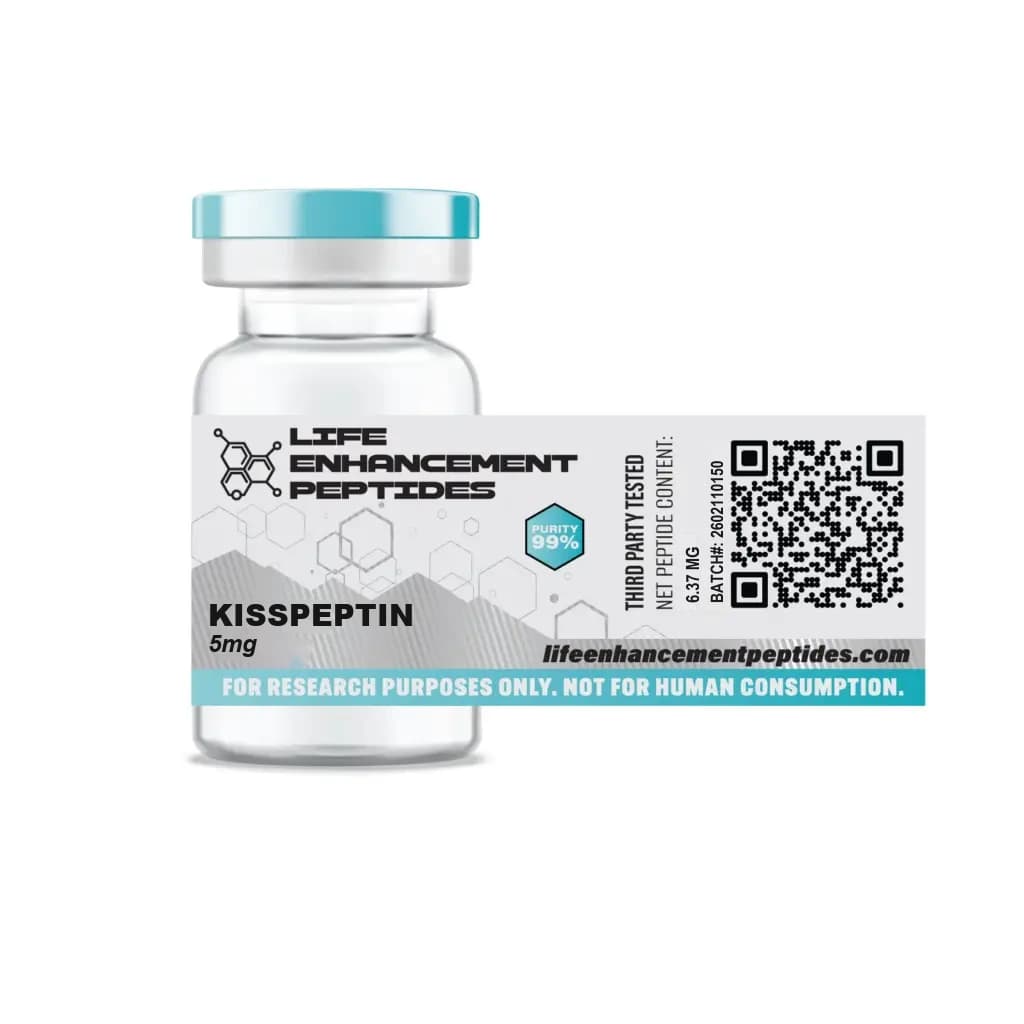
Kisspeptin
5mg
The master upstream regulator of GnRH neurons and the hypothalamic-pituitary-gonadal axis, studied as a fertility-restoring compound with emerging applications in hypogonadism and reproductive medicine research.
 cognitive
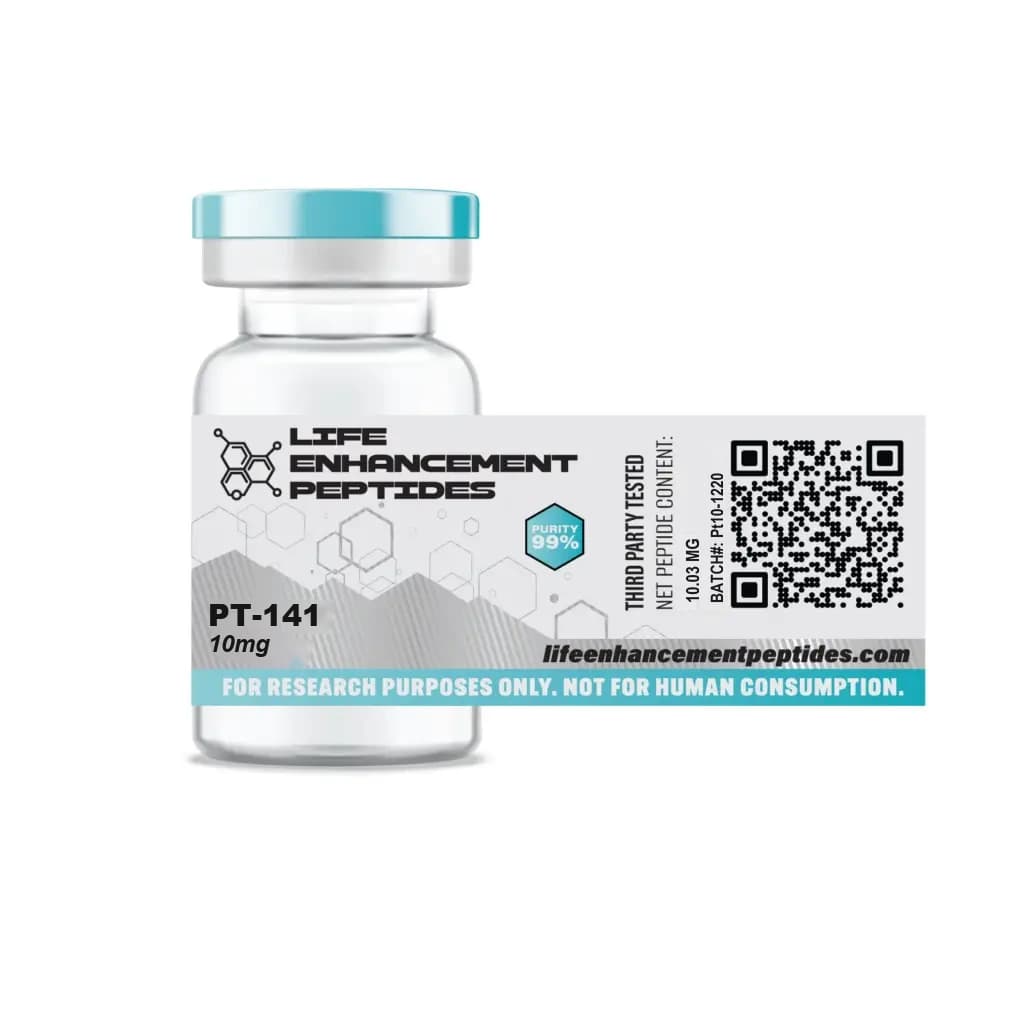
PT-141
10mg
A synthetic melanocortin receptor agonist (bremelanotide) FDA-approved for hypoactive sexual desire disorder in premenopausal women — acting centrally on MC3R and MC4R in the paraventricular nucleus rather than through peripheral vascular mechanisms.